Hyaluronic acid is a sugar molecule that binds water in skin, and its best-documented cosmetic role is short-term hydration: skin holds roughly half the body's total hyaluronic acid, per a 2014 review in a molecular-biology journal, and topical formulations measurably raise skin hydration within hours in controlled studies.
This article reviews published research on topical, oral, and injectable hyaluronic acid as they relate to skin; it does not evaluate products or address decisions about cosmetic injections, which belong with a qualified clinician.
What is hyaluronic acid, and what does it do naturally?
Hyaluronic acid, more precisely hyaluronan, is a glycosaminoglycan, a long unbranched sugar chain the body synthesizes in abundance. It is a major structural component of the extracellular matrix, where it holds water, cushions tissue, and participates in wound-healing signaling. Skin contains the largest hyaluronic acid reservoir in the body, concentrated in the dermis, and its water-binding capacity is a substantial part of skin's turgor and plumpness.
Concentrations decline with age: reviews report measurable age-related loss in the dermis, one factor behind the dryness and volume changes that cosmetic marketing attributes to the molecule. Endogenous decline and topical replacement, however, are not the same transaction, because the dermis lies below the outermost layers that creams reach.
What does topical hyaluronic acid actually do?
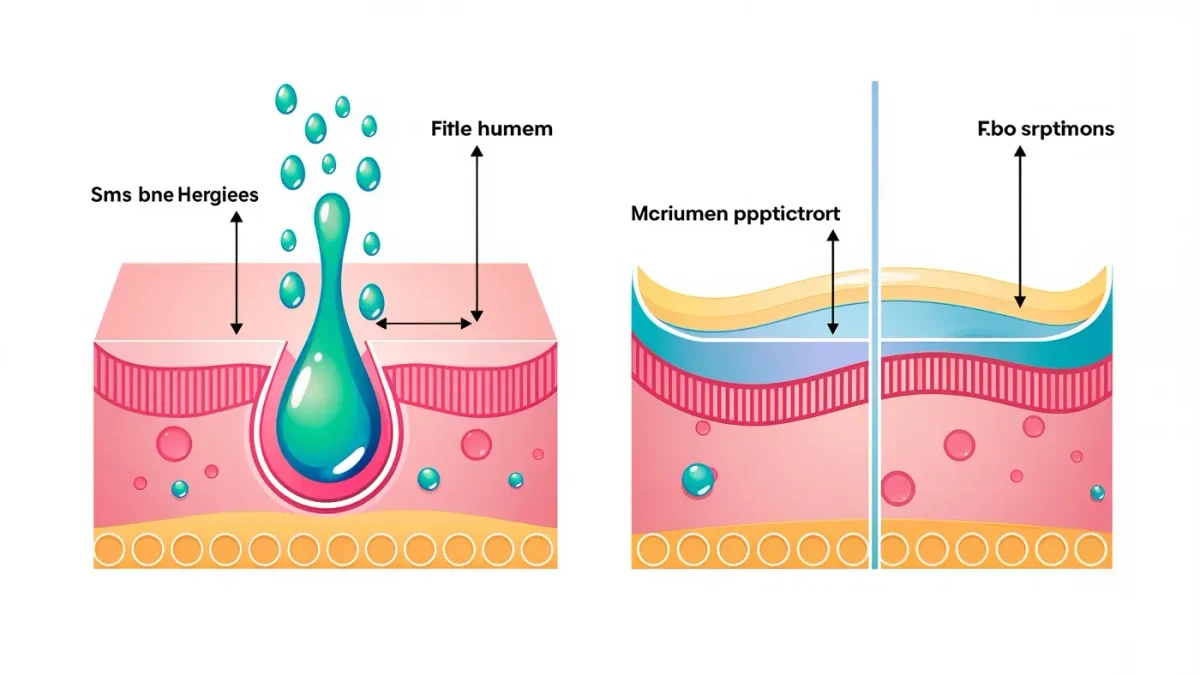
As a cosmetic humectant, the evidence is reasonable for what it claims. Controlled studies using instruments that measure skin hydration and water loss found that hyaluronic acid formulations increased hydration levels and improved skin-surface measures within one to eight hours, and some small trials reported improved elasticity and roughness after several weeks of use. Molecular weight matters in the research: studies comparing sizes found lower-molecular-weight forms penetrate further but can provoke mild inflammation signals in laboratory models, while high-molecular-weight forms stay near the surface and act as a film-forming moisturizer.
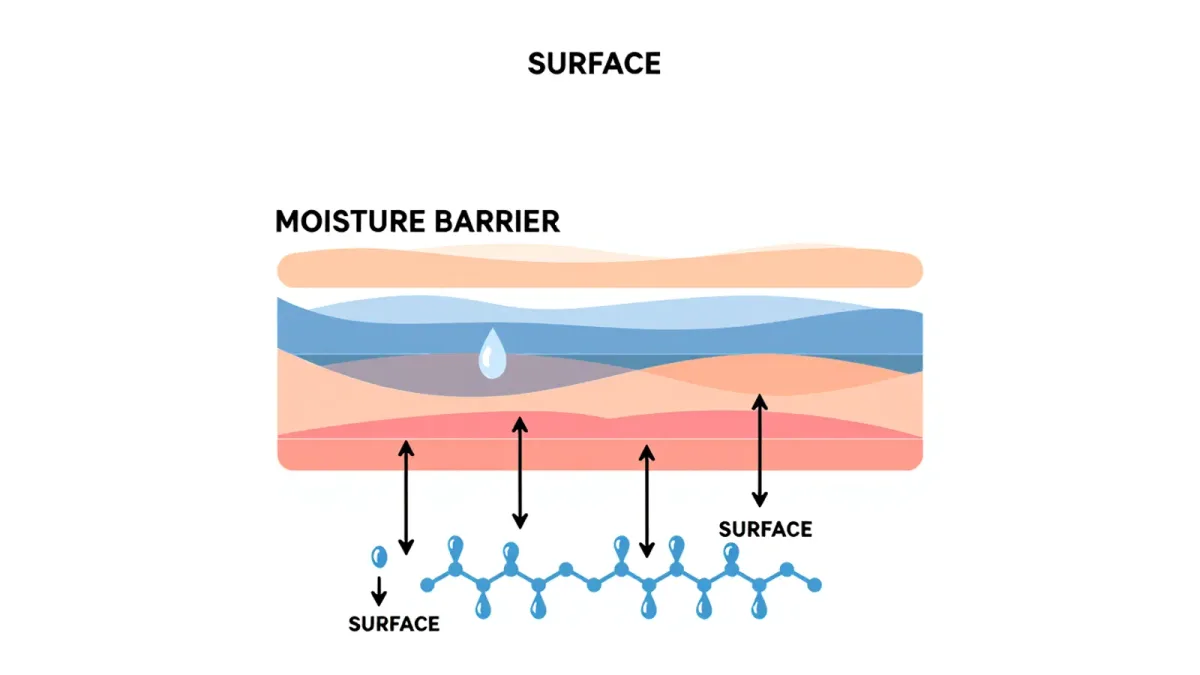
The honest framing from cosmetic-science reviews is that hyaluronic acid draws water from deeper layers and the environment toward the surface. In very dry air this can theoretically leave surface skin feeling worse unless an occlusive layer seals moisture in, a point dermatologists make about applying it over damp skin under a cream.
Do oral supplements work?
Preliminary but consistent in direction. Several small randomized trials, many conducted in Japan in the 2010s, found that oral hyaluronic acid, typically 120 to 240 milligrams daily for four to twelve weeks, improved skin hydration measures and subjective dryness compared with placebo, with some studies reporting reduced wrinkle-depth measurements. Sample sizes were small, most trials were funded by ingredient suppliers, and a 2020s review characterized the evidence as promising but limited. Safety reporting in trials was clean, and hyaluronic acid supplements are marketed in the United States as dietary supplements, a category the FDA does not review for efficacy before marketing.
How does injectable use differ?
Injectable hyaluronic acid gel is a medical product, not a cosmetic: dermal fillers are FDA-regulated devices, and the agency approved the first hyaluronic acid filler for wrinkles in 2003, with dozens of formulations cleared since. Injected gel physically occupies space and binds water in the dermis, producing effects no cream replicates. Documented risks, per FDA safety communications, include bruising, lumps, vascular complications in rare cases, and the need for practitioner skill. Published trials of fillers measure volume and satisfaction outcomes rather than the hydration markers relevant to serums.
Can hyaluronic acid be irritating?
It is among the better-tolerated cosmetic ingredients, with low irritation rates across studies and use in products marketed for sensitive skin. Exceptions appear in reports of contact reactions, often attributed to formulation additives or to very-low-molecular-weight fragments. People using it alongside retinoids or acids typically tolerate the combination, though layering order affects comfort more than efficacy in what trials have measured.
Does molecular weight or concentration matter on the label?
Research says more than marketing does here. Comparative studies found high-molecular-weight forms favor surface hydration with less inflammatory signal, while multi-weight blends dominated some industry trials; head-to-head retail comparisons are scarce. Concentration percentages on labels mean little without formulation context, since viscosity and pairing with occlusives shape performance more than the printed number, a recurring theme in cosmetic chemistry commentary.
When should someone see a dermatologist?
Persistent dryness despite consistent moisturizing, flaking that does not resolve, or irritation suspected from any product warrants evaluation, since chronic dryness can reflect eczema, thyroid changes, medication effects, or age-related conditions that humectants alone do not address. Anyone considering injectable fillers should consult appropriately licensed clinicians and review the FDA's safety communications on filler complications beforehand.
Bottom line
Hyaluronic acid is a well-tolerated, reasonably evidenced surface hydrator, with early but underpowered support for oral supplements and a separate, device-regulated track for injections. It changes how skin holds surface moisture, not its structure, and the famous thousand-fold water-binding figure describes laboratory chemistry rather than cosmetic outcomes.