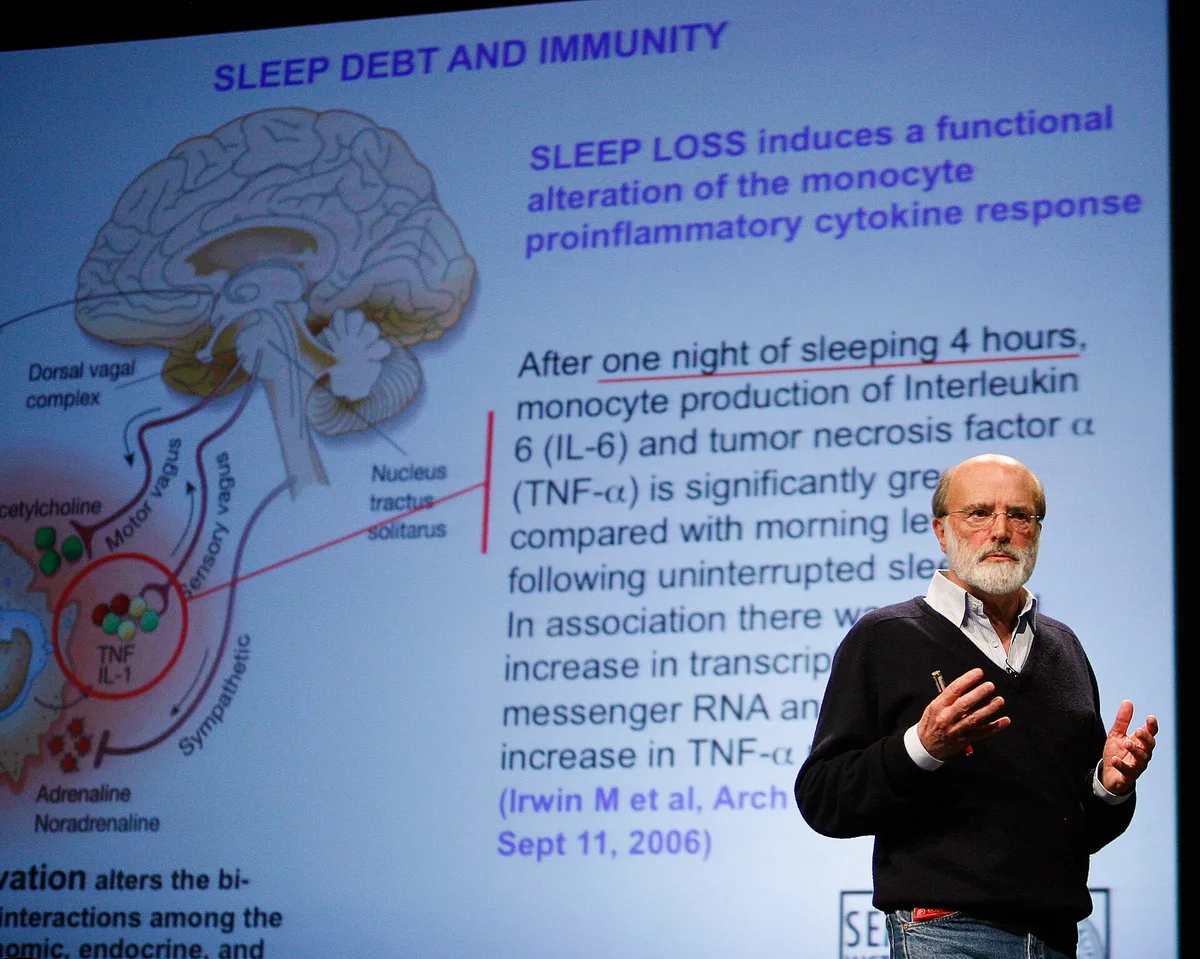
What to Know About Sleep Debt and Cumulative Sleep Loss
Missed sleep adds up over days and weeks. Here is what the evidence says about how it builds, what recovery can and cannot fix, and when to see a clinician.
Sleep, stress and daily routine covered for effect, separating habits that change a measurable outcome from those that merely feel productive.
Missed sleep adds up over days and weeks. Here is what the evidence says about how it builds, what recovery can and cannot fix, and when to see a clinician.

Vitamin D's role in bone health is firmly established; claims about cancer prevention, heart disease, and immunity rest on much thinner evidence — the largest trial found no significant reduction in either.

The vitamin supports nerve function, red blood cell formation, and DNA synthesis, and deficiency can develop quietly over years, particularly in older adults.
How evening screen use delays sleep, what studies of blue light actually measure, and which timing changes move the needle most.

From the WHO's ICD-11 definition to the workplace trials showing what reduces it, an evidence-based guide to chronic occupational exhaustion.

A primer on the psychology experiments behind gratitude journaling and letters, the size of their measured effects, and where claims outrun the data.