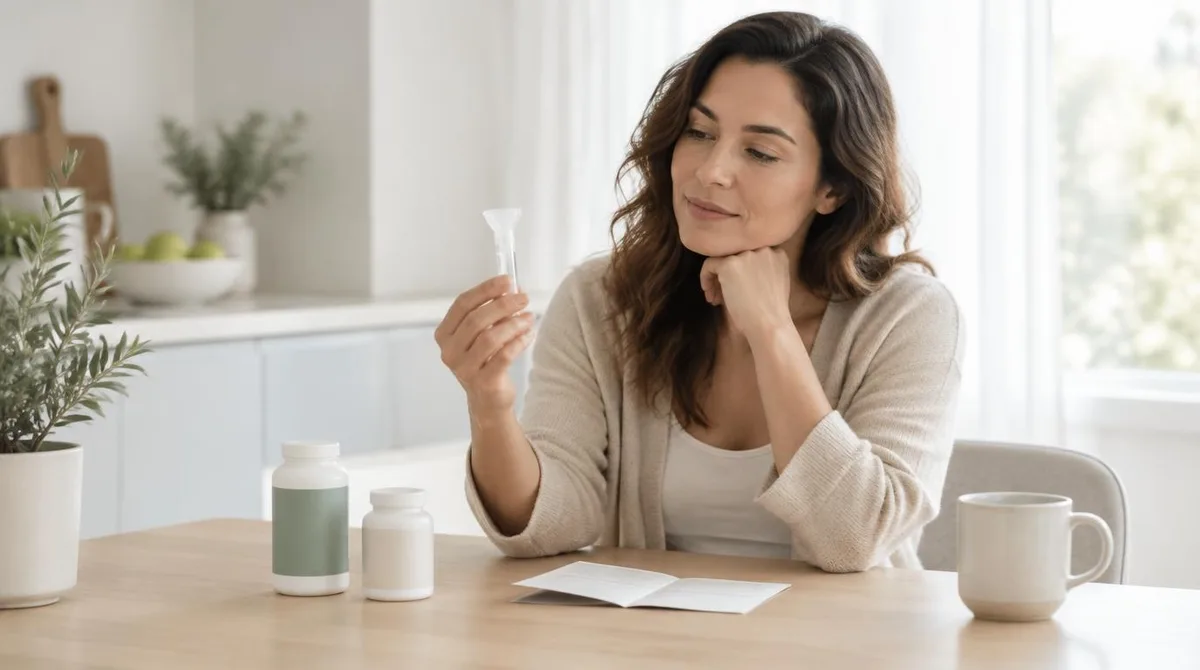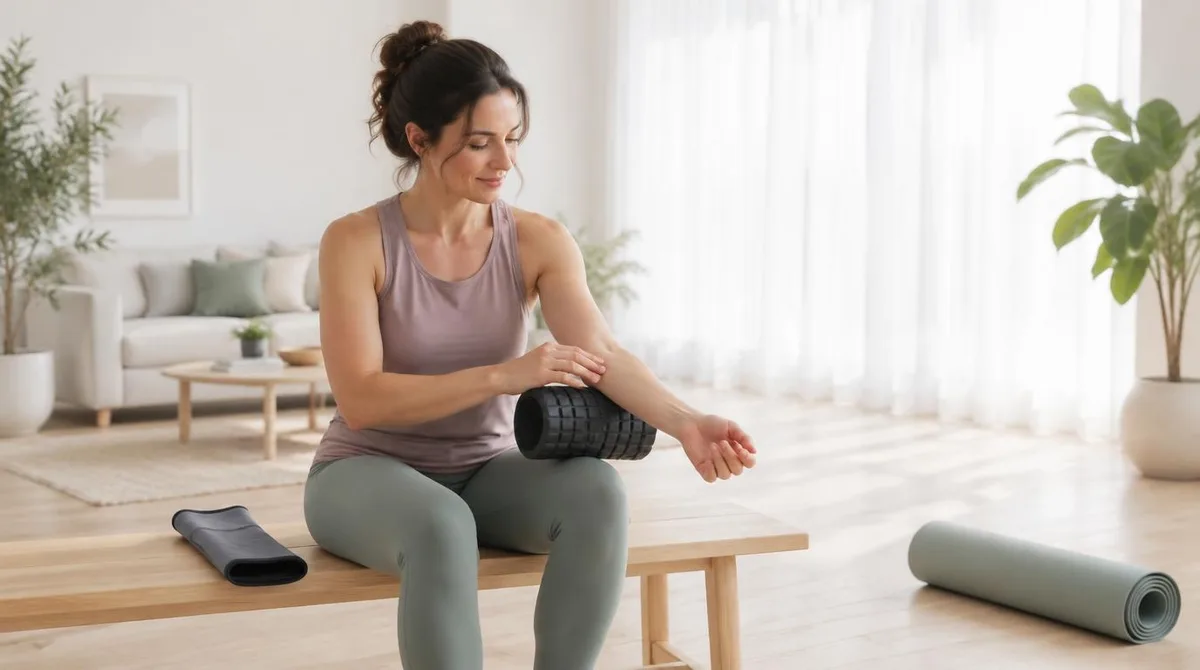

Health tips for women change with age, but the core of them stays the same: eat a balanced diet, move regularly, sleep enough, and keep up with preventive care. The most important qualification is that no single routine fits every decade. A woman's needs in her twenties differ from her needs at fifty, and guidelines are meant to be matched to a person's age, history, and clinician's advice — not copied from a list.
What does "health" actually mean here? The World Health Organization defines it as a state of complete physical, mental, and social well-being, not merely the absence of disease. Medical News Today explains that people may maintain or improve their health by eating a balanced diet, exercising regularly, and connecting with others — a short list that covers most of what follows.
This guide walks through the priorities that tend to matter at each life stage, what the evidence supports, and where honest uncertainty remains. For a broader view of daily habits that hold up across ages, the site's wellness section collects the research in one place.
What Should Health Tips for Women Focus on in the Twenties and Thirties?
These decades are mostly about building the base. Habits around food, movement, and sleep set patterns that are easier to keep than to rebuild later. A balanced diet and regular exercise are the two measures named most consistently in general health guidance, and they matter here not as a project but as a rhythm — meals that include real variety, and movement that happens most days rather than in occasional bursts.
Reproductive health also comes into focus in these years. Menstrual cycles, contraception, and pregnancy planning are all topics where a clinician's input beats any article, because the right choice depends on personal history. What a general guide can say plainly: irregular cycles, severe pain, or changes that feel wrong are reasons to ask questions early, not things to wait out.
Mental health deserves equal billing. The Substance Abuse and Mental Health Services Administration defines mental health as a person's emotional, social, and psychological well-being, and treats it as important as physical health. Per Medical News Today, good mental health depends not just on the absence of disorders but on the ability to bounce back after hard experiences, balance family and finances, and feel secure. Stress that lingers can affect physical health too; the site's guide to stress and cortisol covers what the evidence actually shows about that link.
What Changes in Midlife?
Perimenopause and menopause mark the clearest physiological shift in a woman's adult life, and they arrive gradually. Symptoms vary widely — some people notice little, others deal with sleep disruption, temperature changes, and mood shifts for years. The honest position is that experiences differ and that treatment conversations belong with a clinician who knows the full history.
Midlife is also when preventive care earns its keep. Screenings exist to catch problems before symptoms do, and the schedules for them are set by medical bodies and updated over time, which is exactly why a static list goes stale. The practical tip is structural: keep a record of which screenings are due, and review it at a routine visit rather than waiting for a symptom.
Two habits carry extra weight in these decades. Strength work helps preserve muscle and bone as the body changes, and the site's workouts section covers approaches at different fitness levels. Sleep deserves attention as well — midlife is often when sleep frays first, and the guide to sleep hygiene separates the habits with evidence behind them from the ones that merely sound productive. This connects to our earlier piece, Sleep Hygiene: Which Habits Actually Work, According to the Evidence.
What Matters Most for Older Women?
After midlife, the priorities narrow but deepen. Bone health, heart health, balance, and social connection become the four pillars most worth protecting. None of them requires anything exotic; each responds to the same steady inputs of movement, food, and medical follow-up.
Social connection is the one people underestimate. Research on social connection and longevity suggests relationships are not a soft factor but a measurable one. The WHO's broader framing supports this view of health as social as well as physical: its 1986 clarification described health as "a resource for everyday life," emphasizing social and personal resources alongside physical capacities. For related coverage, see Social Connection and Longevity: What Decades of Research Show.
Nutrition questions also sharpen with age. Appetite can shrink while the body still needs adequate protein and key vitamins, which makes the quality of each meal matter more. Two nutrients draw frequent questions — the site's explainers on vitamin D and vitamin B12 cover what each does and where the evidence stands. Whether a supplement is warranted is a blood-test question, not a marketing one.
What Does the Evidence Say About Everyday Habits?
Strip away the trends and the supported basics are unglamorous. Regular physical exercise and adequate sleep are the two health-promoting activities named in general health references, alongside reducing unhealthful ones such as smoking or excessive stress. Everything else — cold plunges, adaptogens, wellness shots — sits in the category of interesting but unproven until better evidence arrives, and several of those get a fair hearing in the site's coverage of adaptogens and wellness shots.
Hydration is another habit that needs less drama than it gets. Thirst, activity level, and climate do most of the work of regulation; the guide to how much water a person actually needs explains why no single number fits everyone.
One more habit worth naming: moderation with alcohol. Evidence on alcohol and health has shifted in recent years, and the honest reading is that less is associated with lower risk, without a guaranteed safe floor. A woman deciding about drinking is making a personal risk trade-off, best made with her own health picture in view.
When Should a Woman See a Clinician?
The structural answer: for preventive care on a schedule, and for symptoms that persist, worsen, or simply feel different from normal. Neither list needs to be memorized. The first is handled by keeping routine appointments; the second by trusting that "this is new for me" is reason enough to ask.
Urgency belongs to a smaller set of signs — sudden severe pain, chest symptoms, trouble breathing, or anything that comes on fast and hard. Those warrant immediate care rather than a wait-and-see approach. For everything else, the general rule from the evidence is patience paired with attention: many complaints resolve on their own, and the ones that do not announce themselves by sticking around.
It also helps to remember that access itself is a health factor. The determinants of health include income, environment, education, and relationships — factors larger than any single routine. A woman working within real constraints is not failing at wellness; she is working with the resources she has, and partial habits still count.
What This Means: The Takeaways
The evidence establishes a clear pattern. Health for women, at every stage, rests on a small set of supported behaviors — balanced eating, regular movement, adequate sleep, stress management, and connection with others — layered with preventive care that changes by age. What remains uncertain is the fine print: exact screening timing, individual nutrient needs, and the right approach to midlife symptoms all vary by person and are settled in a clinician's office, not in a listicle.
The realistic expectation is not transformation. It is accumulation. Small, repeatable habits, kept across decades, do more than any intensive reset — and the decades themselves keep changing what "enough" looks like.