What to Know About Magnesium and Sleep
Small trials suggest magnesium may modestly help some adults fall asleep faster, but federal reviewers say the evidence is still too limited to call it a proven sleep aid.
What a symptom commonly means, how a doctor narrows it down, what a test involves, and the point at which waiting stops being sensible.

Small trials suggest magnesium may modestly help some adults fall asleep faster, but federal reviewers say the evidence is still too limited to call it a proven sleep aid.


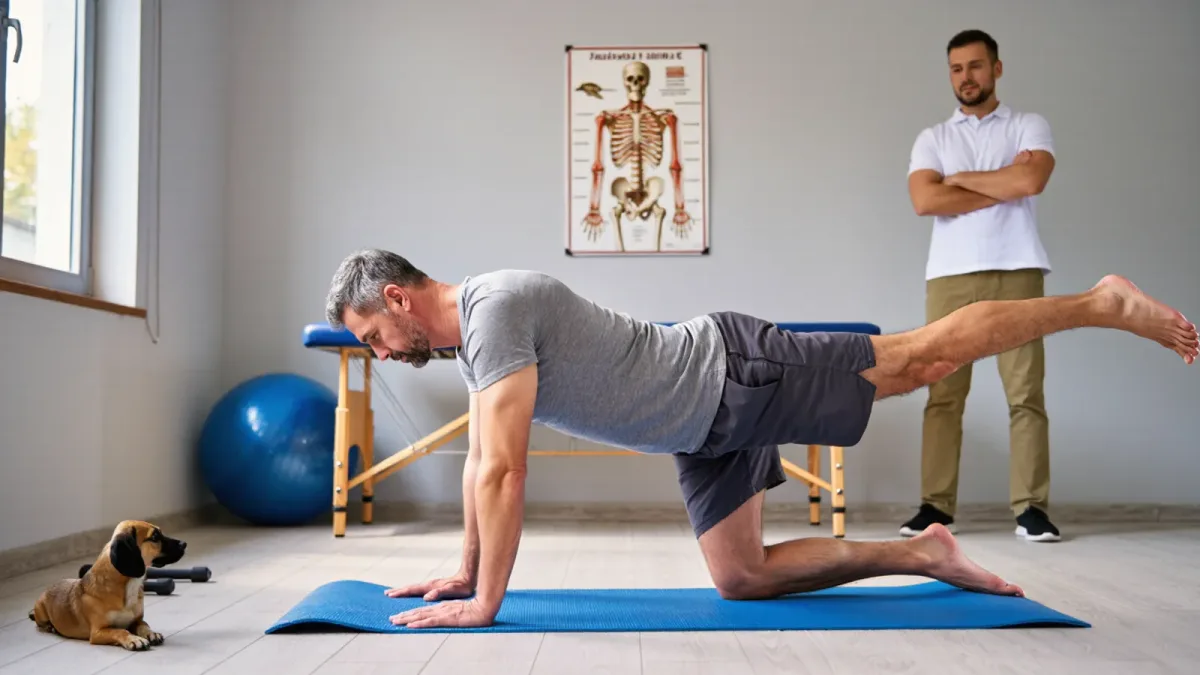
Trials suggest trunk-stabilization and movement-based exercise reduce chronic lower back pain, with a 2016 trial finding yoga comparable to physical therapy.
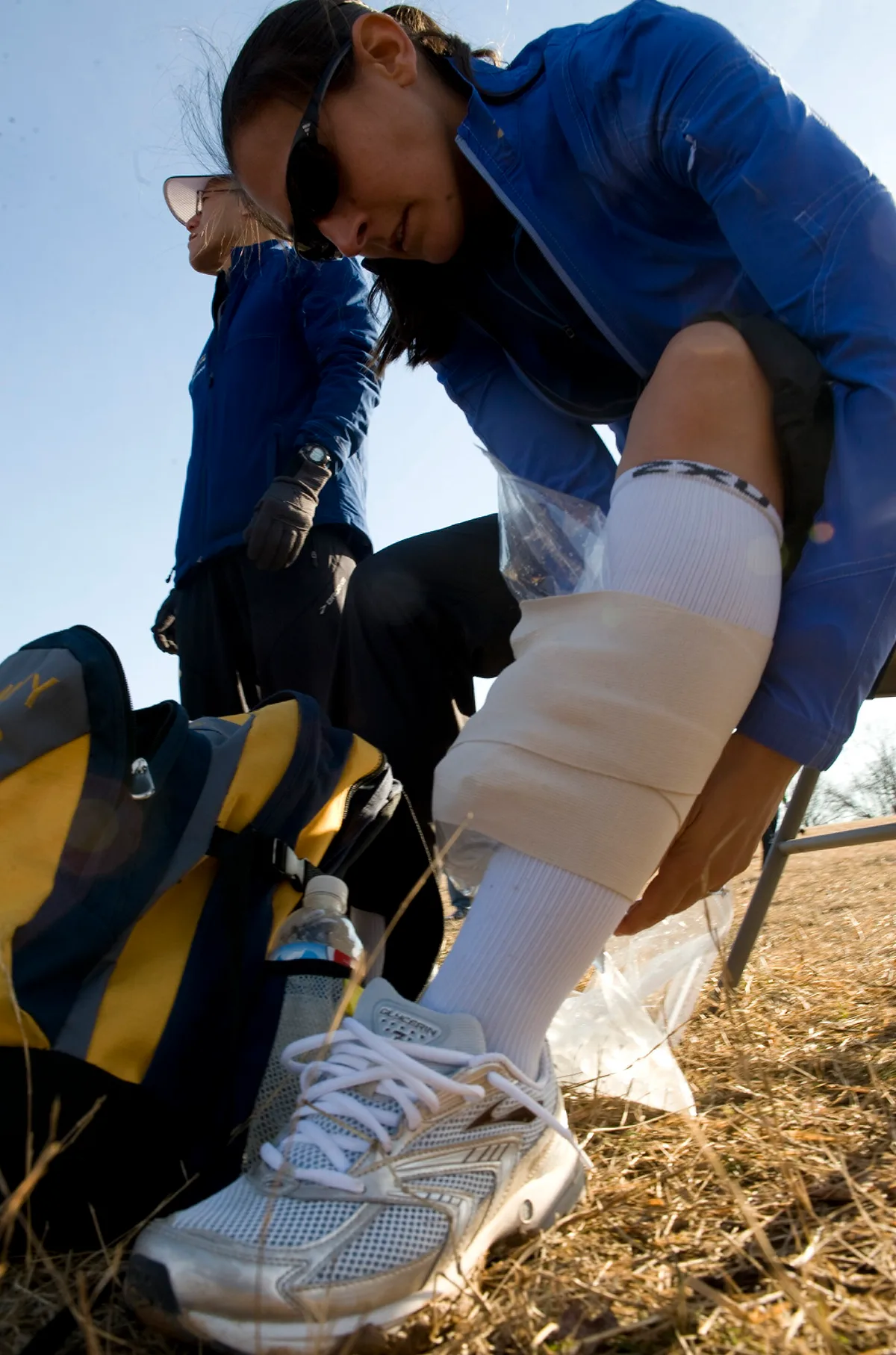

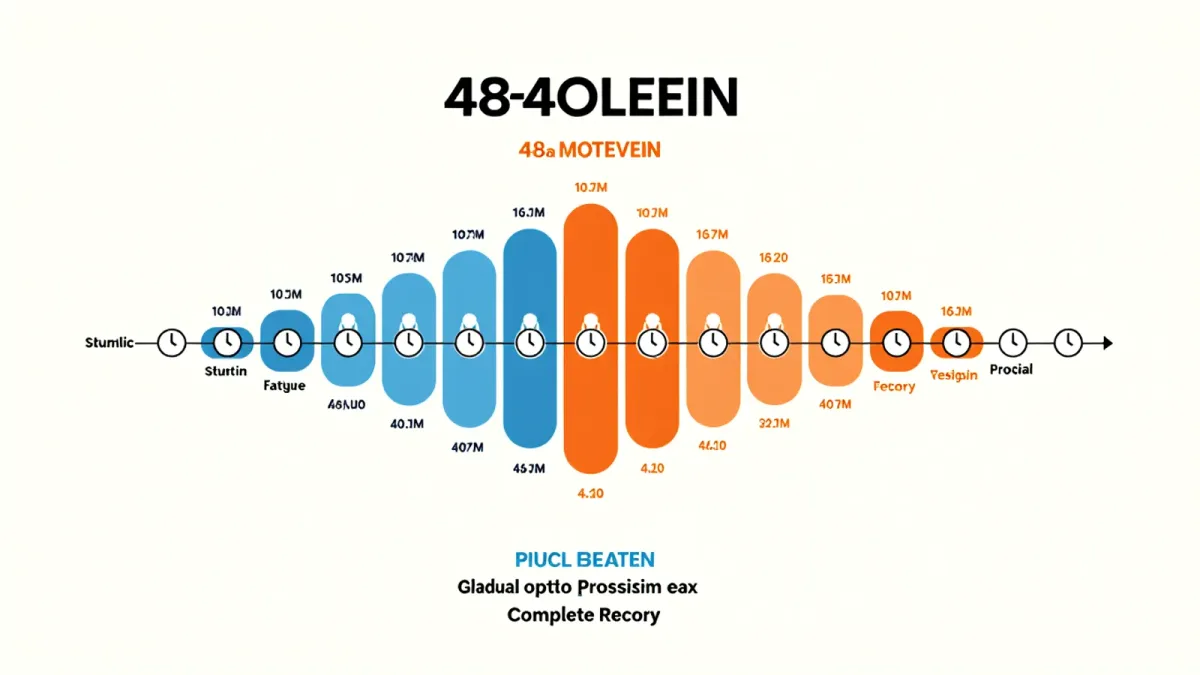
Research suggests a muscle group needs roughly 48 hours between demanding sessions, with most trials favoring two to three weekly sessions per muscle.

Trials suggest HIIT raises fitness faster per minute, while moderate cardio wins on total weekly volume, adherence, and recovery cost.

Research describes overtraining as performance decline plus mood and physiological disturbance lasting weeks, with elevated resting heart rate among the earliest practical markers.