Overtraining Syndrome: The Warning Signs Athletes Miss
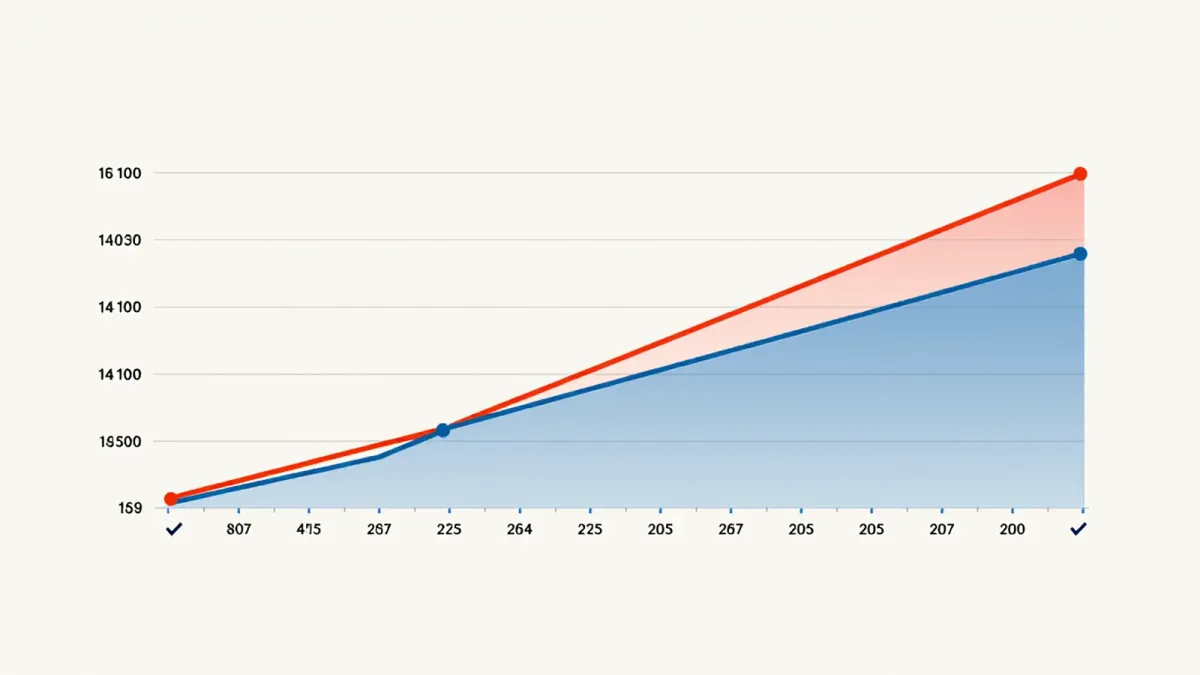
Research describes overtraining as performance decline plus mood and physiological disturbance lasting weeks, with elevated resting heart rate among the earliest practical markers.
What a symptom commonly means, how a doctor narrows it down, what a test involves, and the point at which waiting stops being sensible.
Research describes overtraining as performance decline plus mood and physiological disturbance lasting weeks, with elevated resting heart rate among the earliest practical markers.

Trials suggest two to three weekly dumbbell sessions covering major muscle groups build strength at home, with progressive load doing most of the work.

Large cohort analyses suggest walking and running reduce cardiovascular and mortality risk comparably when energy expenditure is matched.

Trials suggest two weekly strength sessions improve running economy and may reduce overuse injury risk without compromising running performance.

Research suggests dynamic movement before exercise and static stretching afterward, with pre-workout static holds showing no injury-reduction benefit.
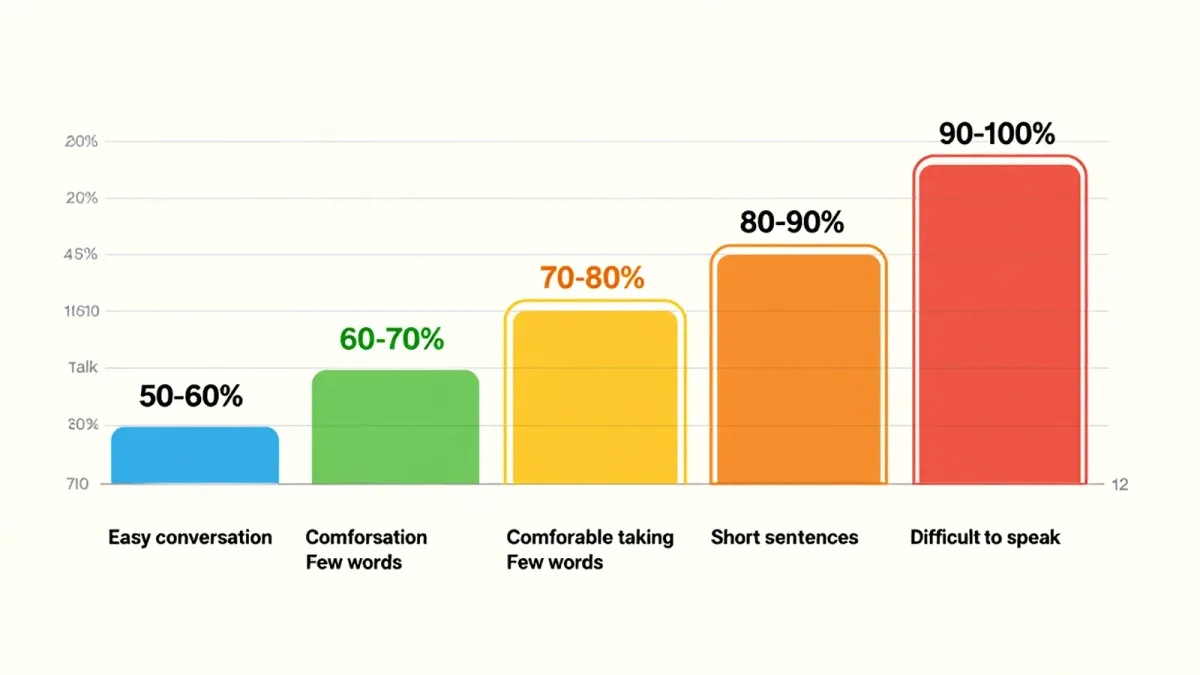
Zone 2 describes low-intensity steady cardio performed at roughly 60 to 70 percent of maximum heart rate, where conversation remains comfortable.