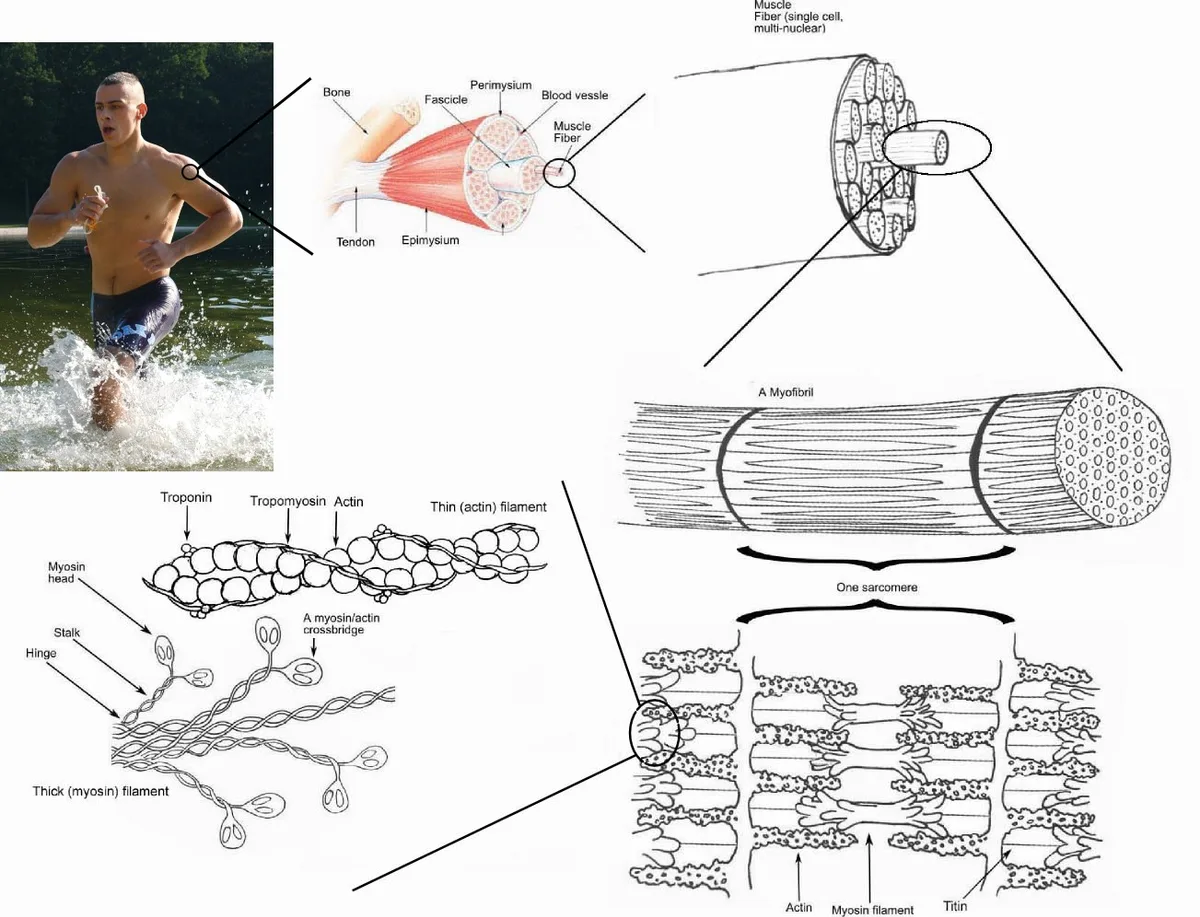
What to Know About Muscle Health in Clinical Nutrition
A new expert review argues muscle should be a primary target of nutrition care, not an afterthought.
Eating guidance for real kitchens: portion sizes, what a label hides, cooking swaps that keep meals edible, and supplement claims held to the evidence.
A new expert review argues muscle should be a primary target of nutrition care, not an afterthought.

Iron deficiency is the most common nutritional deficiency worldwide, per the World Health Organization's estimates, and its early symptoms — fatigue, pale skin, breathlessness — are easy to misattribute.
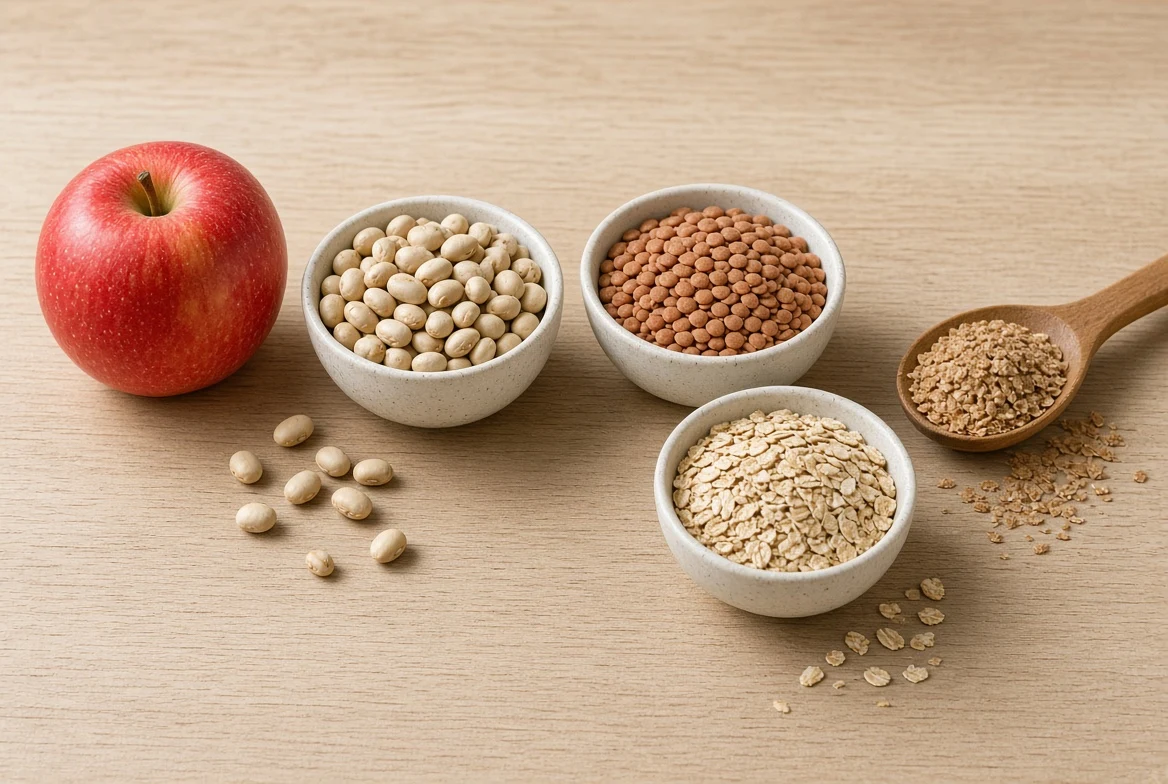
What fiber is, what the intake figures from the Institute of Medicine, the FDA, and the WHO actually say, and what the largest evidence synthesis to date can and cannot show.
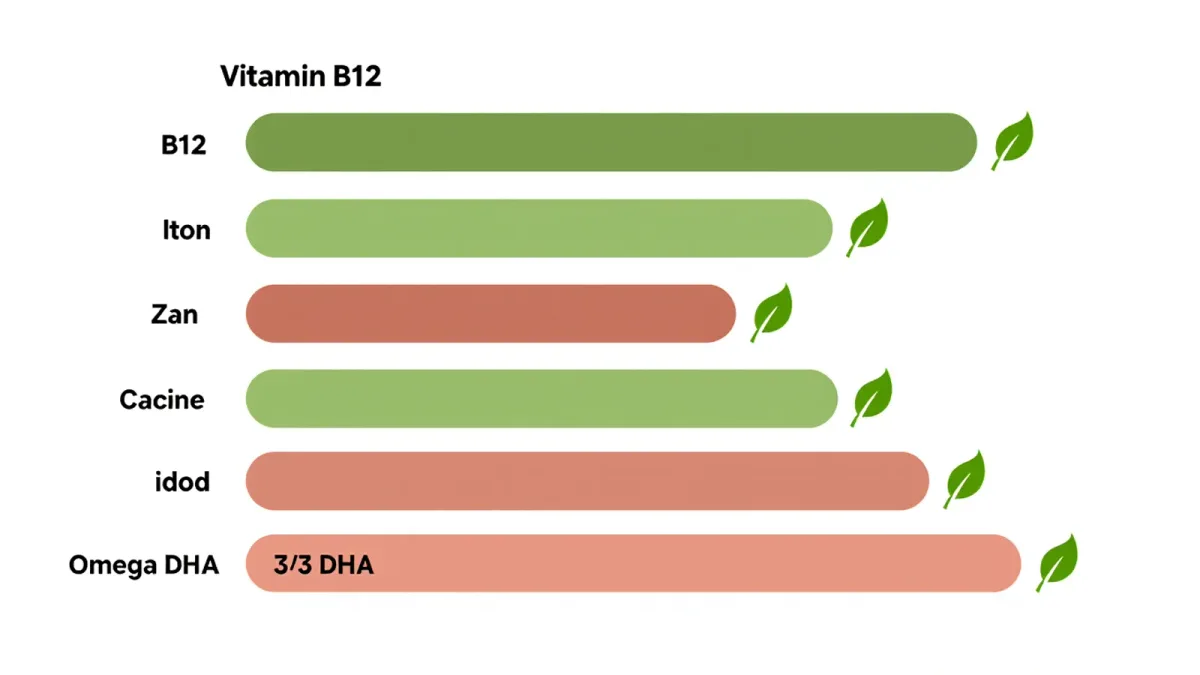
Well-planned vegetarian and vegan diets are nutritionally adequate per the Academy of Nutrition and Dietetics, but vitamin B12, iron, zinc, calcium, iodine, and omega-3 status warrant attention.

Federal guidance sets a 2,300-milligram daily sodium limit, while the average American consumes about 3,400 milligrams — mostly from processed and restaurant food.

Decades of trials support creatine monohydrate for strength and short-burst power gains, while claims about hair loss, kidneys, and cognition remain unsettled.