
Added Sugar Guidelines, Explained: How Much Is Too Much?
Federal guidance caps added sugars at 10 percent of daily calories, while the American Heart Association suggests tighter limits of about 25 grams for women and 36 for men.
Eating guidance for real kitchens: portion sizes, what a label hides, cooking swaps that keep meals edible, and supplement claims held to the evidence.
Federal guidance caps added sugars at 10 percent of daily calories, while the American Heart Association suggests tighter limits of about 25 grams for women and 36 for men.

Evidence supports probiotics for antibiotic-associated diarrhea and some gut conditions, while marketing claims about immunity and mood outrun the trial record.

Randomized trials find time-restricted eating produces modest weight loss similar to ordinary calorie restriction, with open questions about long-term safety and heart outcomes.

For most adults, major randomized trials have found little cardiovascular benefit from standard omega-3 supplements, though a purified prescription drug showed effects at high doses.

Observational studies have linked high UPF intake to heart disease, type 2 diabetes, and higher calorie consumption, but causation and mechanisms remain under investigation.
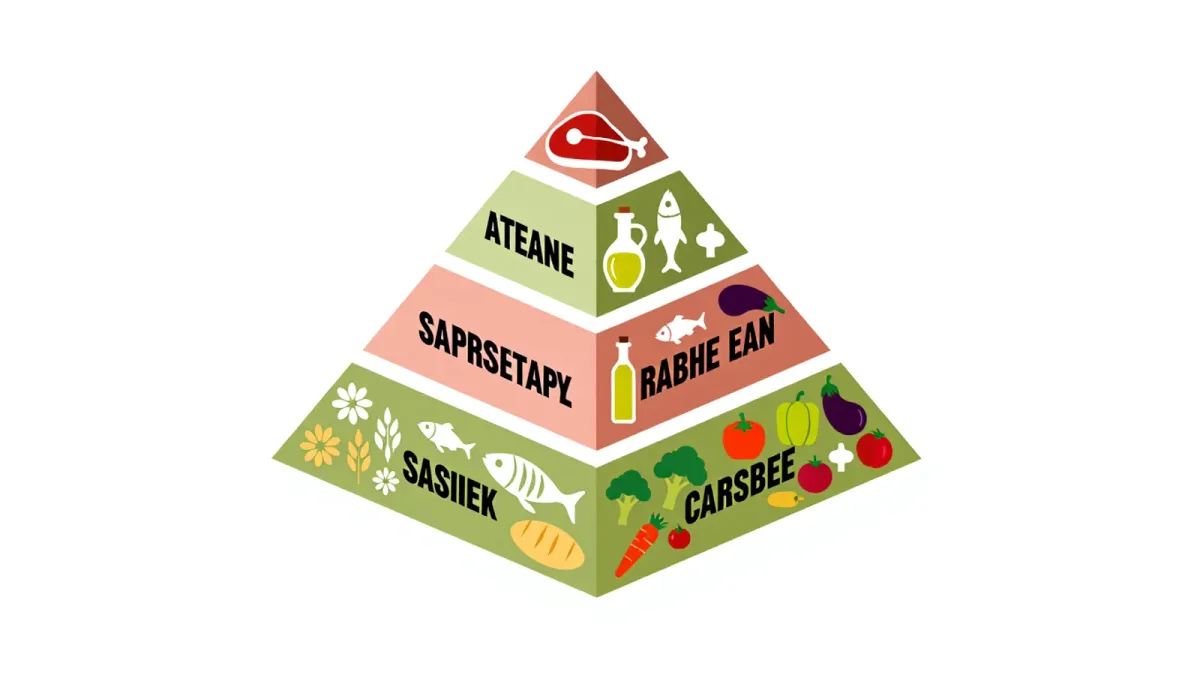
A landmark Spanish trial linked the eating pattern to fewer cardiovascular events, though questions about weight loss and exact mechanisms remain open.