
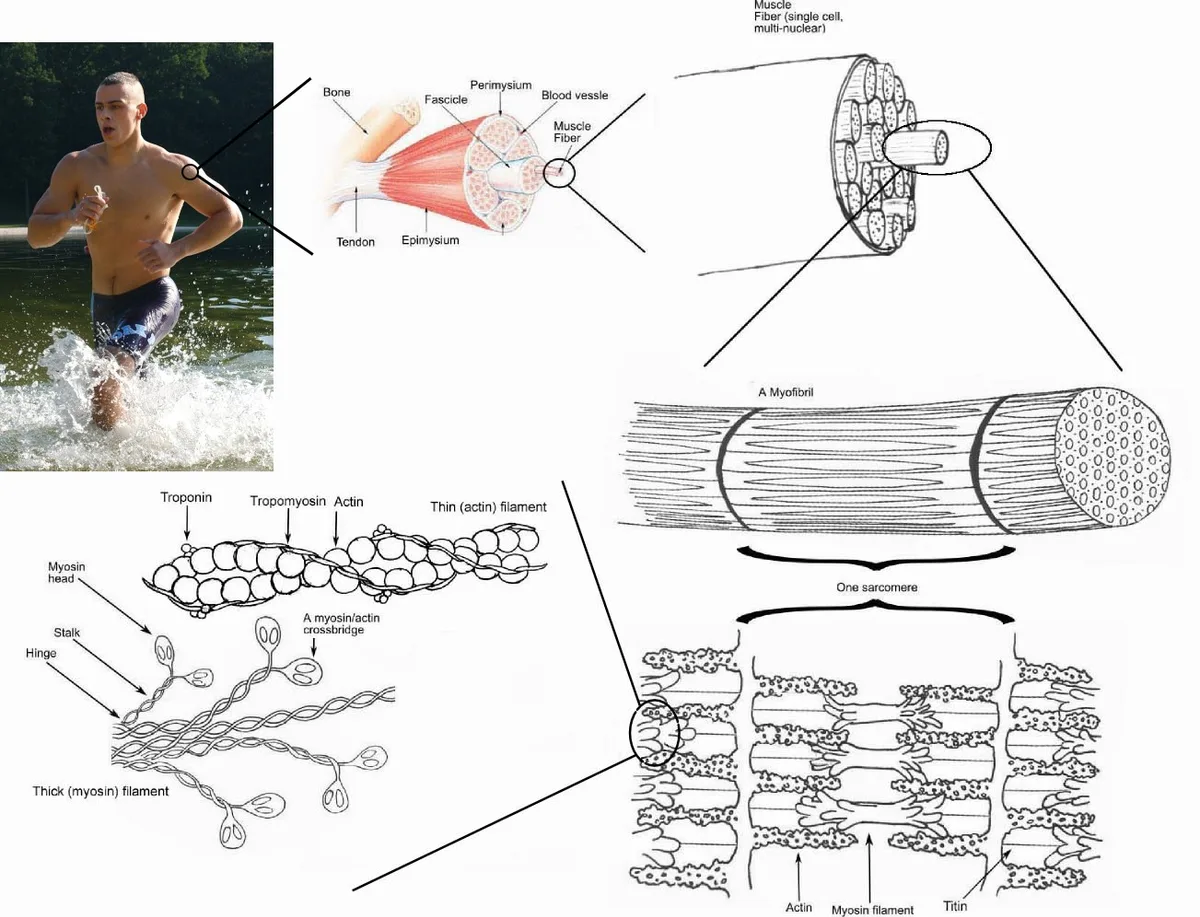
Muscle health should be treated as a central goal of clinical nutrition rather than a side effect of treating disease. That is the argument of a new expert review published in the journal Clinical Nutrition in 2026, written by an international group of researchers and covered by Texas A&M Stories. The review's core claim is that muscle mass, strength, and function shape how people recover from illness, stay independent as they age, and hold on to strength during weight loss, yet nutrition care does not always put them first.
The review's authors propose that "muscle health should be recognized as a central and measurable target of clinical nutrition rather than a secondary or downstream outcome." In plain terms, they want clinicians to plan nutrition around keeping muscle working, not only around calories and body weight. The paper draws on existing research across aging, cancer, critical illness, diabetes, and obesity, and it lays out a research agenda for the field.
For readers following nutrition guidance, this matters because it signals where the field may be heading. The shift also touches everyday questions about how much protein adults need, because protein supplies the building blocks the body uses to maintain and rebuild muscle. We covered a connected angle in How Much Protein Do Adults Need? Daily Amounts, Explained.
What does "muscle health" actually mean?
Muscle health, as the review defines it, is more than the amount of muscle on the body. The definition covers muscle mass and composition alongside strength, physical performance, metabolism, and a person's own assessment of how well they can function. Dr. Nicolaas Deutz, a professor in the Department of Kinesiology and Sport Management at Texas A&M University and a co-author of the review, made the distinction directly: "Muscle health is how good you can use your muscles — muscle strength, persistence or endurance." He added that treating muscle health as equal to muscle mass is, in his view, not correct.
That distinction is the review's most practical point. A person can carry a normal amount of muscle and still have poor strength or endurance, which means mass alone is an incomplete indicator for clinicians. The review argues that how well muscle works matters as much as how much of it exists.
Why does muscle health matter in illness and aging?
The review connects muscle health to outcomes across several clinical settings. People with cancer may lose both weight and muscle during illness and treatment. Critically ill patients can experience significant muscle loss during hospitalization. Aging can bring declines in muscle mass, strength, and function that threaten mobility and independence. And during treatment for obesity, losing weight can also mean losing lean tissue.
The authors argue that muscle health deserves consistent attention across these settings instead of being treated as a secondary consequence of disease or aging. The analysis here is straightforward: if muscle loss drives recovery time, independence, and function, then nutrition plans that ignore muscle are missing one of the levers that most affects a patient's daily life. That is why the review reframes muscle as a target of care rather than a footnote.
Is more protein the answer?
No, and the review is explicit about this. Protein is important because it provides the building blocks needed to maintain and rebuild muscle. But Deutz said a simple directive to consume more protein is not the solution: "The solution on muscle health is not just taking more protein."
Instead, the review calls for a personalized approach that accounts for a person's condition, metabolism, inflammation, and stage of illness or recovery. Nutritional needs and interventions differ across populations, from older adults to people undergoing cancer treatment or weight loss. For a general reader, the takeaway is modest but useful: protein quality and context matter, and blanket advice is not what the experts are proposing. The goal, Deutz said, is not a single diet or protein recommendation but a better understanding of individual differences that could guide nutritional support. Readers following this should also see Mediterranean Diet: What the Evidence Actually Shows.
What remains uncertain?
Quite a lot, and the review says so. Researchers still lack standardized ways of measuring muscle health across studies, which makes it hard to compare findings. Larger clinical trials are needed to determine which interventions actually improve muscle health in different populations. The research agenda calls for better measures, bigger trials, more personalized nutrition strategies, and studies examining how nutrition and exercise can work together across different clinical conditions.
One named research gap stands out for current readers: muscle preservation during weight loss, including among people using GLP-1 medications or undergoing bariatric surgery. The review flags this as an area needing more research, which means there is not yet a settled answer on how best to protect muscle during medically supervised weight loss.
Deutz's own research, per the Texas A&M report, aims to understand how an individual's metabolism changes in relation to muscle health and what that could mean for nutritional support. That work is ongoing and does not yet produce practical recommendations.
What could this mean for routine care?
Translating the review into routine clinical practice requires the research steps above, so no immediate change in care follows from the paper itself. What readers can reasonably expect, if the agenda is followed, is better measurement tools, trials that test specific interventions in specific populations, and combined nutrition-and-exercise protocols studied in clinical settings. Exercise is part of that future: the review specifically calls for studies on how nutrition and exercise can work together, which connects the clinical agenda to the kind of strength training covered in guides to workouts.
The honest summary is that this review is a direction-setting document, not a treatment guide. It establishes that the evidence links muscle health to recovery, independence, and function, and it identifies what the field still needs to prove. People with questions about their own muscle health, nutrition needs, or weight-loss plan should bring them to a clinician, especially during illness, cancer treatment, hospitalization, or a medically supervised weight-loss program.
This article is general information, not medical advice. Consult a qualified healthcare professional about your own situation.