A nutrition label looks like dense fine print. In practice it follows one fixed design. Once you know the layout, it reads in under a minute.
The catch is that two items bend everything else on the panel: the serving size and the percent daily value. This guide explains each part of the nutrition facts label, plus the small details that hide in plain sight.
The Panel Follows a Fixed Layout
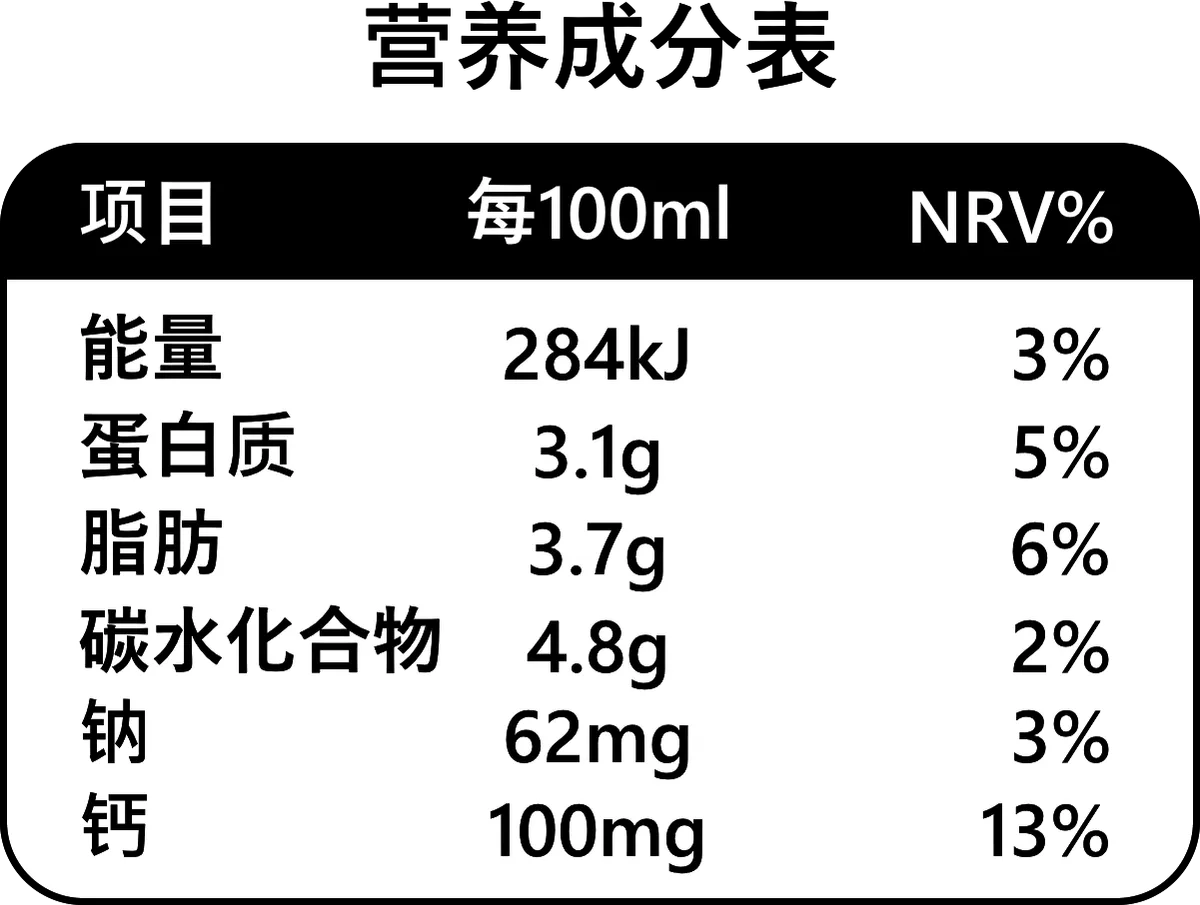
The label begins with a standard serving size. Calories come second. After that, the panel lists nutrients along with the percent daily value for each one. Total fat, sodium, carbohydrates, and protein are always shown. A full panel usually covers about fifteen nutrients in all. Readers following this should also see How Much Protein Do Adults Need? Daily Amounts, Explained.
The design is the same on every product, which makes two labels easy to compare. In the United States, this style of label became standard for most packaged foods in 1994 under the Nutrition Labeling and Education Act. The United Kingdom followed with its own version in 1996.
Serving Size Runs the Whole Show
Every number on the panel describes one serving, not the whole package. Eat two servings and you double every figure, including the sodium and the sugars. That is why the serving line matters more than any other line on the panel.
Regulators know the old portions confused people. A major revision raised serving sizes so they reflect how much food people actually eat at one time. The same revision removed calories from fat. It added a line for sugars added during production. It also required amounts of vitamin D and potassium on the panel.
Percent Daily Value in Plain Terms
The percent daily value shows how much one serving contributes to a full day of eating. Per the footnote on the label, the math assumes 2,000 calories a day for general nutrition advice. A nutrient listed at fifteen percent covers about a seventh of your day at that intake. Your other meals supply the rest. The value is a gauge for the whole day, not a verdict on one food.
The Ingredient List Tells the Rest
Behind the panel sits the ingredient list, and it obeys one strict rule. Ingredients appear in order of weight, from the largest amount down to the smallest. The first few names therefore make up most of what is in the package. A long technical name near the end may be present only in a trace.
Front of package claims are tighter than they look. The Food and Drug Administration allows health claims only for a short list of diet and health links supported by strong evidence. Calcium and osteoporosis is one. Sodium and high blood pressure is another. This connects to our earlier piece, Mediterranean Diet: What the Evidence Actually Shows.
Where Numbers Hide
Rounding can hide small amounts. Per the rounding rules, any amount under half a gram is shown as zero on the panel. According to the label's own rounding example, a product with a small amount of trans fat in each serving can list zero even when the full package adds up to several grams. That is how a zero on the panel can still mean a real amount in the package.
Complexity has a cost too. Studies found that most people could not fully understand the older label design. Reading skills with labels were lowest in some groups, including older adults.
Conclusion: Read the Label in Three Moves
Strip the task down to three moves. Check the serving size first, since it scales every number on the panel. Scan the ingredient order next, since weight decides the ranking. Then use the percent daily value to place one serving inside your whole day. Labels do not tell you what to eat. They tell you what is in the package, which is the first step in deciding for yourself.
This article is informational only. It does not constitute medical or dietary advice, and personal nutrition questions belong with a qualified health professional.