
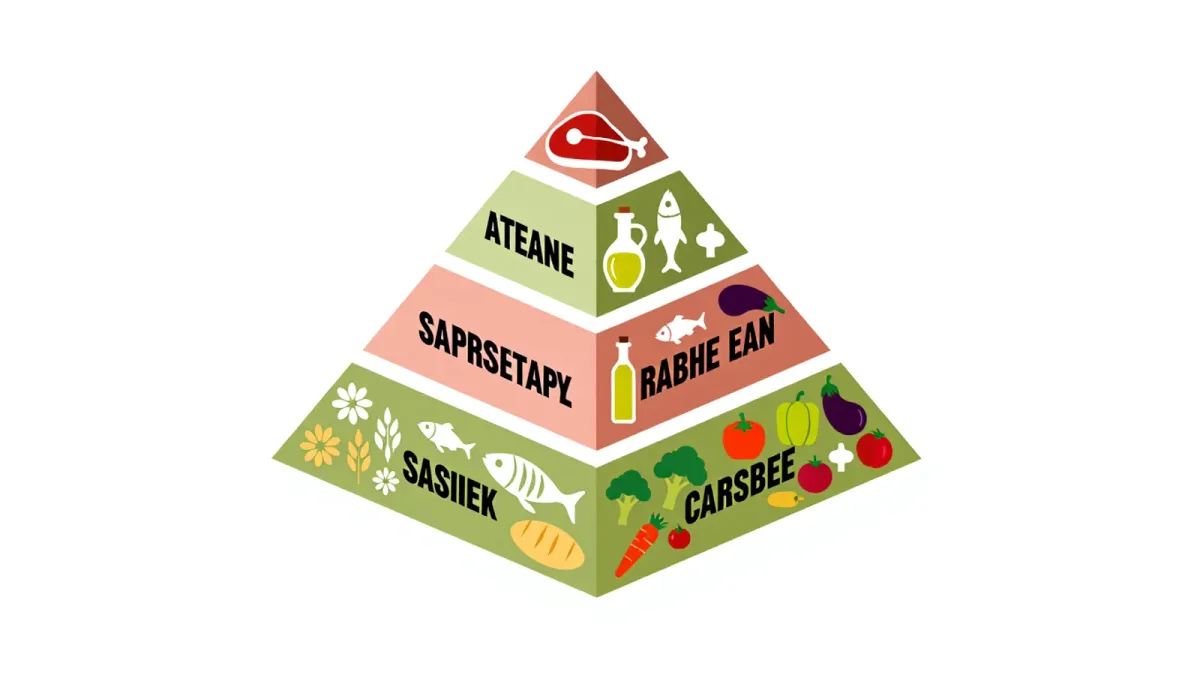
The Mediterranean diet is one of the few eating patterns with strong randomized-trial evidence behind it: a 2018 reanalysis of the Spanish PREDIMED trial, involving about 7,400 adults at high cardiovascular risk, found that a Mediterranean eating pattern supplemented with extra-virgin olive oil or nuts reduced major cardiovascular events by roughly 30 percent compared with a reduced-fat control diet. Observational research stretching back to the 1950s points in the same direction, which is why US News rankings and professional societies have repeatedly placed the pattern at or near the top of evidence-based diets.
This article summarizes published research and official dietary guidance and is not a substitute for individualized recommendations from a physician or registered dietitian, particularly for people managing heart disease, diabetes, or kidney conditions.
What is the Mediterranean diet, exactly?
There is no single Mediterranean diet; the term describes the traditional eating patterns of countries bordering the Mediterranean Sea as they existed around the mid-20th century. In the 1990s, Harvard researchers and the Oldways organization formalized it into a pyramid used in nutrition education. The core components, per that framework and the Dietary Guidelines for Americans, are:
- Vegetables, fruits, whole grains, beans, nuts, and seeds at most meals
- Olive oil as the principal added fat
- Fish and seafood at least twice weekly
- Poultry, eggs, cheese, and yogurt in moderate amounts
- Red meat and sweets reserved for occasional use
- Herbs and spices instead of heavy salt; water as the default drink
Notably, the pattern is defined by foods rather than by gram targets, and portion guidance is qualitative. It is not a low-fat diet — total fat can run 35 to 40 percent of calories — but the fat comes largely from olive oil, nuts, and fish.
What did the PREDIMED trial actually find?
PREDIMED, run in Spain and published in 2013 with a 2018 corrected reanalysis in the New England Journal of Medicine after methodological irregularities in randomization were addressed, remains the pattern's flagship trial. Participants at high cardiovascular risk were assigned to a Mediterranean diet plus about a liter of extra-virgin olive oil per week, the same diet plus about 30 grams of mixed nuts per day, or advice to follow a reduced-fat diet. After roughly five years, the combined Mediterranean groups experienced about 30 percent fewer major cardiovascular events — heart attacks, strokes, and cardiovascular deaths.
The corrected reanalysis preserved the direction of the finding, though the controversy prompted discussion about how much a single trial should carry. No comparable large randomized trial of the pattern has since been completed, and PREDIMED's participants were older adults at high risk, which limits how far results extend to younger, healthier populations.
Does it protect the brain?
Observational evidence suggests modest associations with slower cognitive decline and lower dementia risk. A 2023 study following more than 60,000 UK Biobank participants for about nine years reported that higher adherence to a Mediterranean-style diet was associated with up to a 23 percent lower risk of dementia — an observational finding, meaning it cannot prove the diet caused the difference. Researchers writing in journals of the American Academy of Neurology have consistently noted that randomized evidence in cognition is thinner than for the heart, with some trials finding no significant cognitive benefit over short follow-up periods.
Is it good for weight loss?
Modestly, and that is not its main claim. A 2016 systematic review and meta-analysis in The American Journal of Clinical Nutrition found the Mediterranean pattern produced weight loss similar to other named diets over 12 months — roughly 4 to 5 kilograms in active arms — and slightly better than low-fat diets in some comparisons. Trials generally report improvements in waist circumference and metabolic markers even where scale weight changes little. For people whose priority is substantial weight reduction, clinical guidance usually pairs the pattern with calorie management rather than relying on it alone.
What about diabetes and longevity?
A 2014 randomized substudy of PREDIMED reported roughly a 40 percent reduction in new-onset type 2 diabetes among the Mediterranean groups compared with the reduced-fat control arm. Large observational cohorts, including analyses from the Nurses' Health Study, have associated higher adherence with lower all-cause mortality; again, these are associations, and people who eat this way differ from others in many respects, including income, smoking, and activity.
How does it compare with other healthy diets?
The pattern overlaps heavily with the DASH diet, developed through National Institutes of Health-funded trials to lower blood pressure, and with plant-forward patterns in general. Head-to-head comparisons in cohort studies find their benefits largely similar; the Mediterranean version differs mainly in its emphasis on olive oil and fish and its tolerance of moderate fat. Federal guidance in the Dietary Guidelines for Americans lists Mediterranean-style eating among the healthy dietary patterns it adapts for US audiences.
What are the drawbacks or limitations?
Researchers and clinicians point to several honest caveats:
- Cost and access: olive oil, fish, and nuts can be expensive; nutrition researchers note that beans, lentils, and seasonal vegetables preserve the pattern's structure on a tighter budget
- Cultural fit: adaptations are needed for cuisines elsewhere, and some adaptations preserve less of the original pattern than others
- Alcohol confusion: older versions of the pyramid included moderate red wine; recent guidance, including from the World Health Organization's European office in 2023 and the 2025 US science advisory process, has moved toward not recommending alcohol for health purposes
- Supplements do not substitute: a 2018 randomized trial of a nutrient supplement designed to mimic the pattern found no cardiovascular benefit in high-risk adults, supporting a food-first interpretation
How can someone start eating this way?
Dietitians commonly describe a phased approach rather than an overnight conversion: swap butter for olive oil; add one legume-based meal per week; make fish the protein at two dinners; treat red meat as a garnish rather than a centerpiece; fill half the plate with vegetables at main meals; and let fruit rather than dessert close the day. The pattern's research base rewards consistency over years, not strictness over weeks — PREDIMED measured effects across roughly five years of follow-up.
When to see a doctor or registered dietitian
Professional guidance is advisable for people taking blood thinners such as warfarin, because sudden increases in leafy greens and fish can affect medication management; for those with kidney disease, where potassium and phosphorus require monitoring; for people with diabetes making major carbohydrate changes; and for anyone considering wine as part of the pattern, since no health organization recommends starting alcohol for health reasons. A registered dietitian can also adapt the pattern to allergies, budgets, and religious or cultural food practices.
The bottom line on the Mediterranean diet evidence
The randomized evidence for cardiovascular protection is genuinely unusual among popular diets: a corrected landmark Spanish trial found about 30 percent fewer major cardiac events, and randomized follow-up reported substantially fewer new diabetes diagnoses. Cognitive and longevity benefits rest mostly on observational data and are appropriately framed as associations. The pattern asks for food swaps rather than gram counting, which may explain why adherence in trials has been strong — and why researchers keep returning to it.