
Topic
Holiday Eating Without the Guilt Spiral: What Research Suggests
Holiday eating measured, not mythologized: a 0.37-kilogram average, two trials that stopped the gain, and a calmer way through the season.
Holiday eating measured, not mythologized: a 0.37-kilogram average, two trials that stopped the gain, and a calmer way through the season.

A 2018 BMJ Open study measured lower insulin resistance, blood pressure, and weight after one month off alcohol. What a dry month shows, what it cannot prove, and when stopping needs medical planning.

Randomized trials report lower stress and cortisol, plus faster sleep onset, with ashwagandha root extract. What the evidence supports, where it stops, and the safety cautions NCCIH lists.

The ABCDE rule is dermatology's first filter for reading moles: asymmetry, border, color, diameter, and evolving change. Here is what each letter means and when a dermatologist should look.

What screening is, why the schedule changes over a lifetime, and how to find out which tests apply.
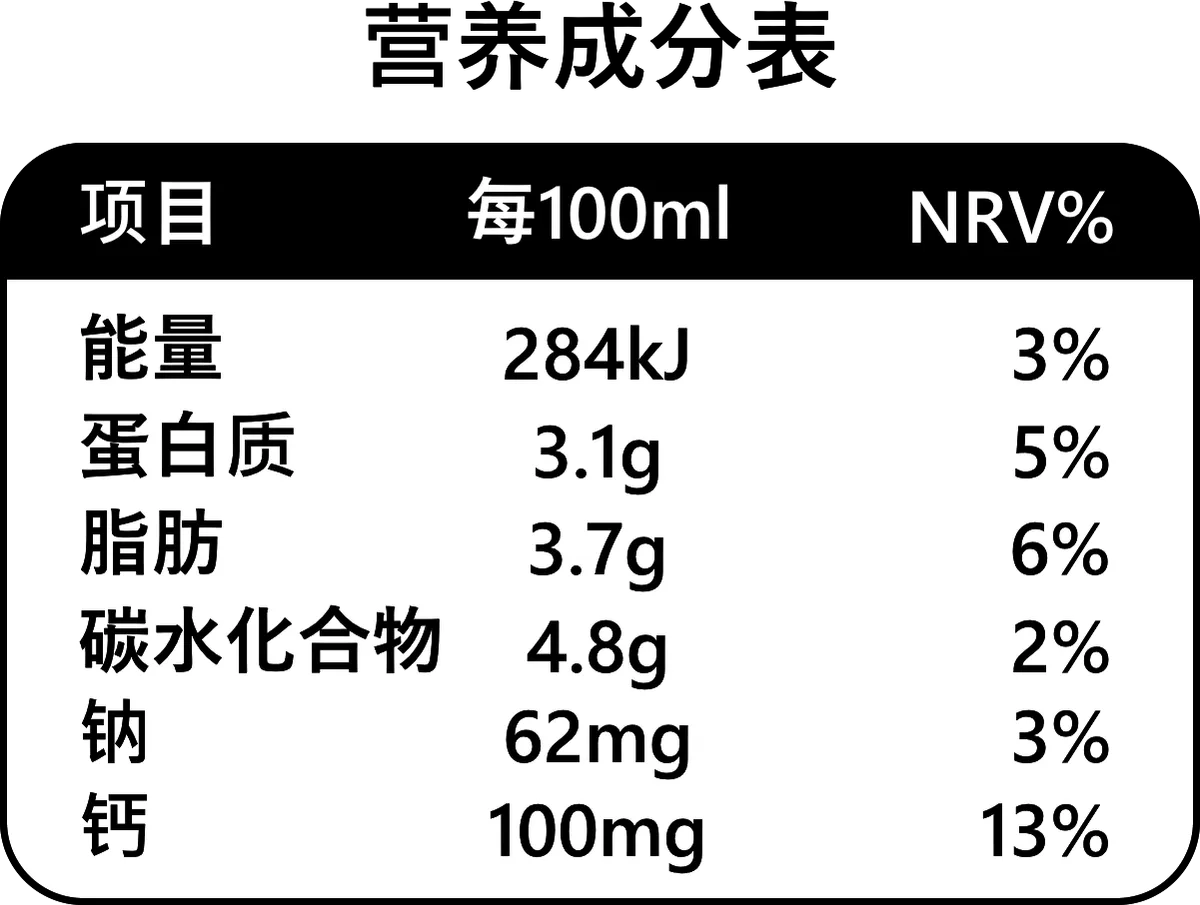
Nutrition labels follow one fixed design, and two lines bend everything else: serving size and percent daily value. Here is how to read both, plus the ingredient list.
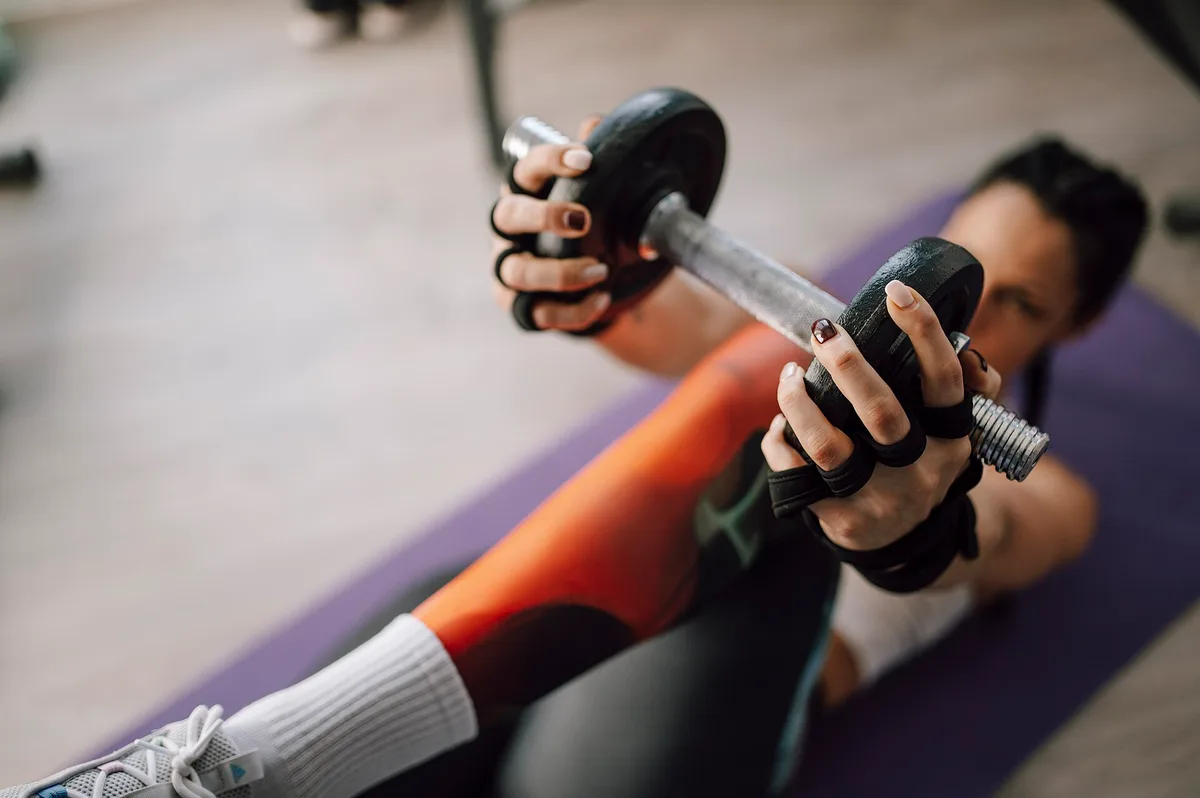
What the chest muscles actually do, how dumbbell pressing compares with other equipment, and how beginners, regulars, and experienced lifters can program presses without a barbell or a machine.
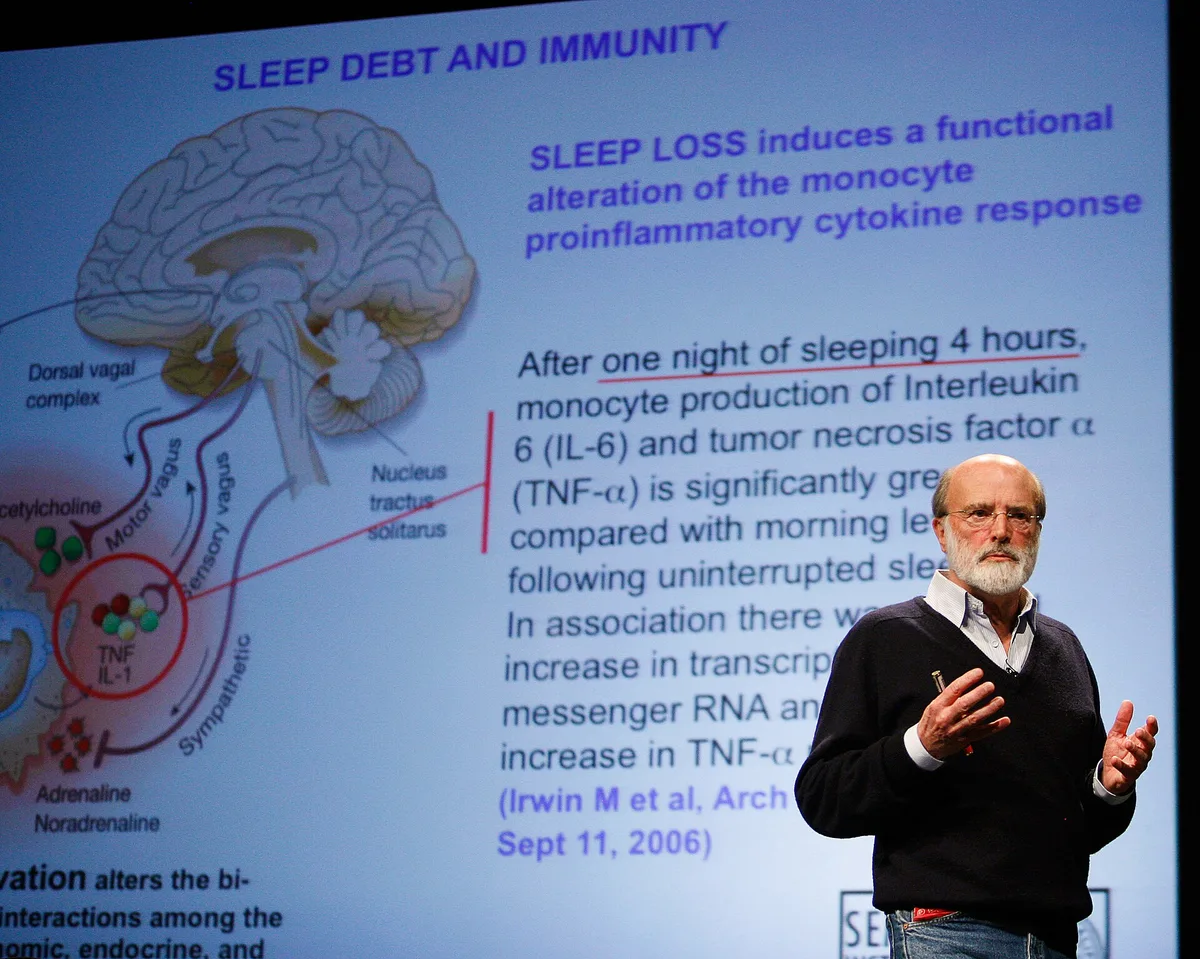
Missed sleep adds up over days and weeks. Here is what the evidence says about how it builds, what recovery can and cannot fix, and when to see a clinician.
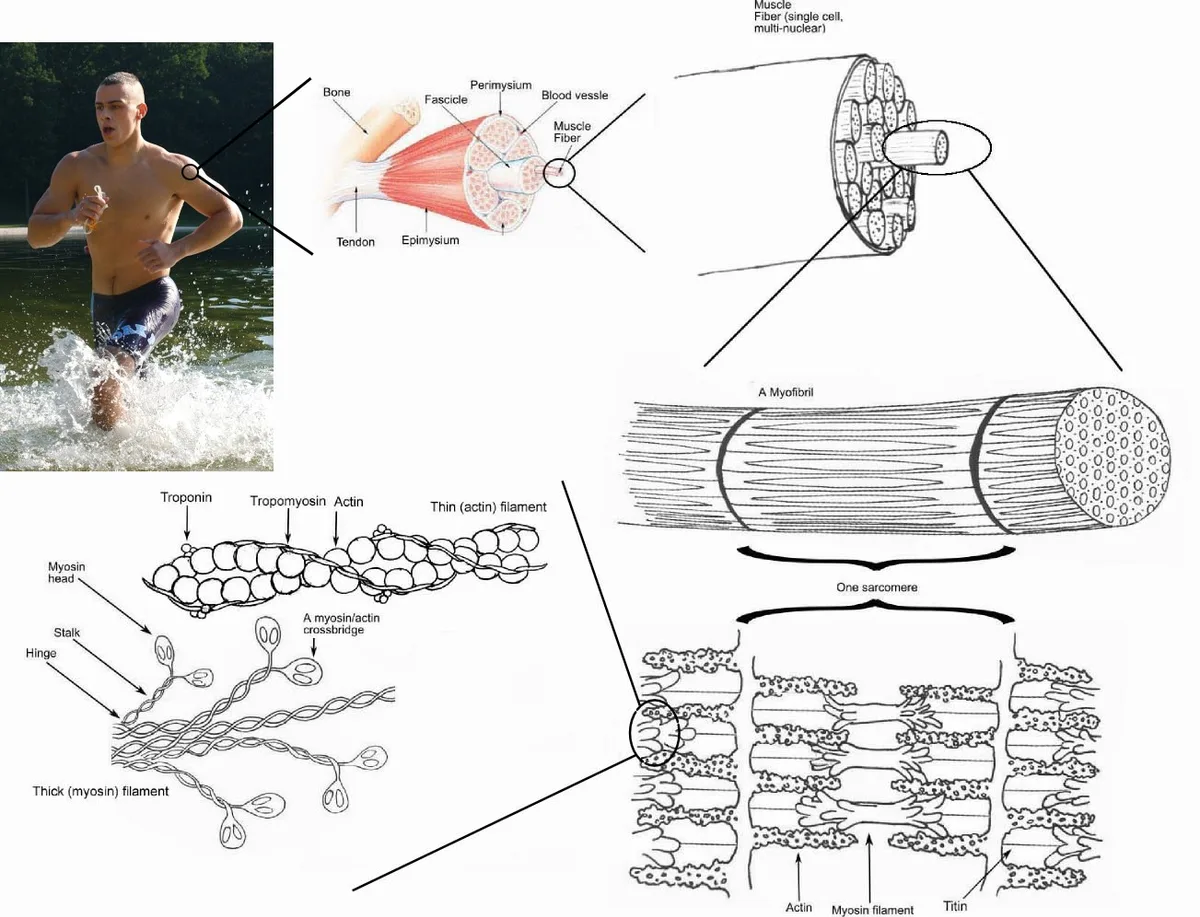
A new expert review argues muscle should be a primary target of nutrition care, not an afterthought.
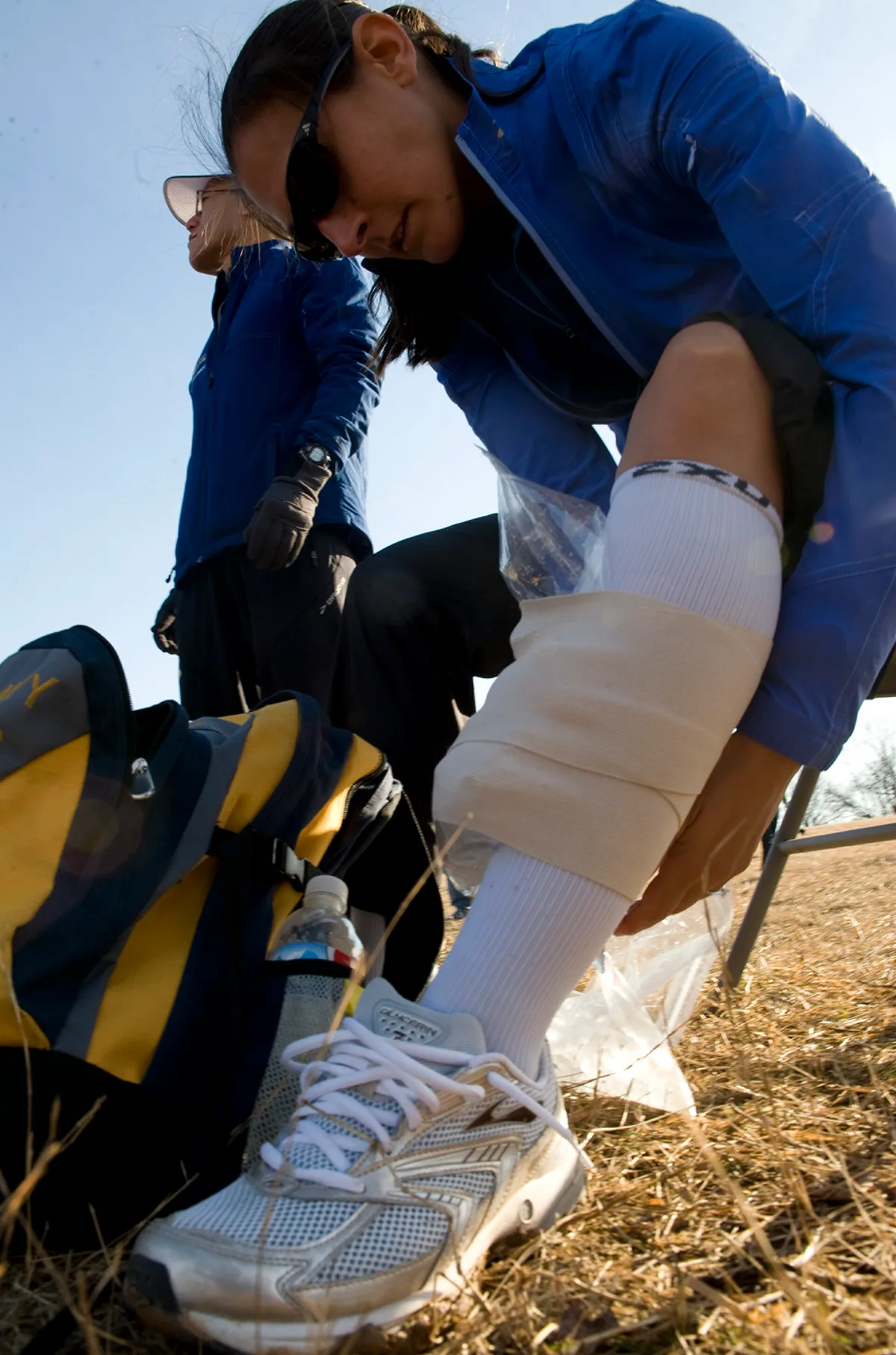
The lower-leg pain that sidelines new runners usually settles with rest — but the line between soreness and a stress fracture matters, and it changes what a person should do next.