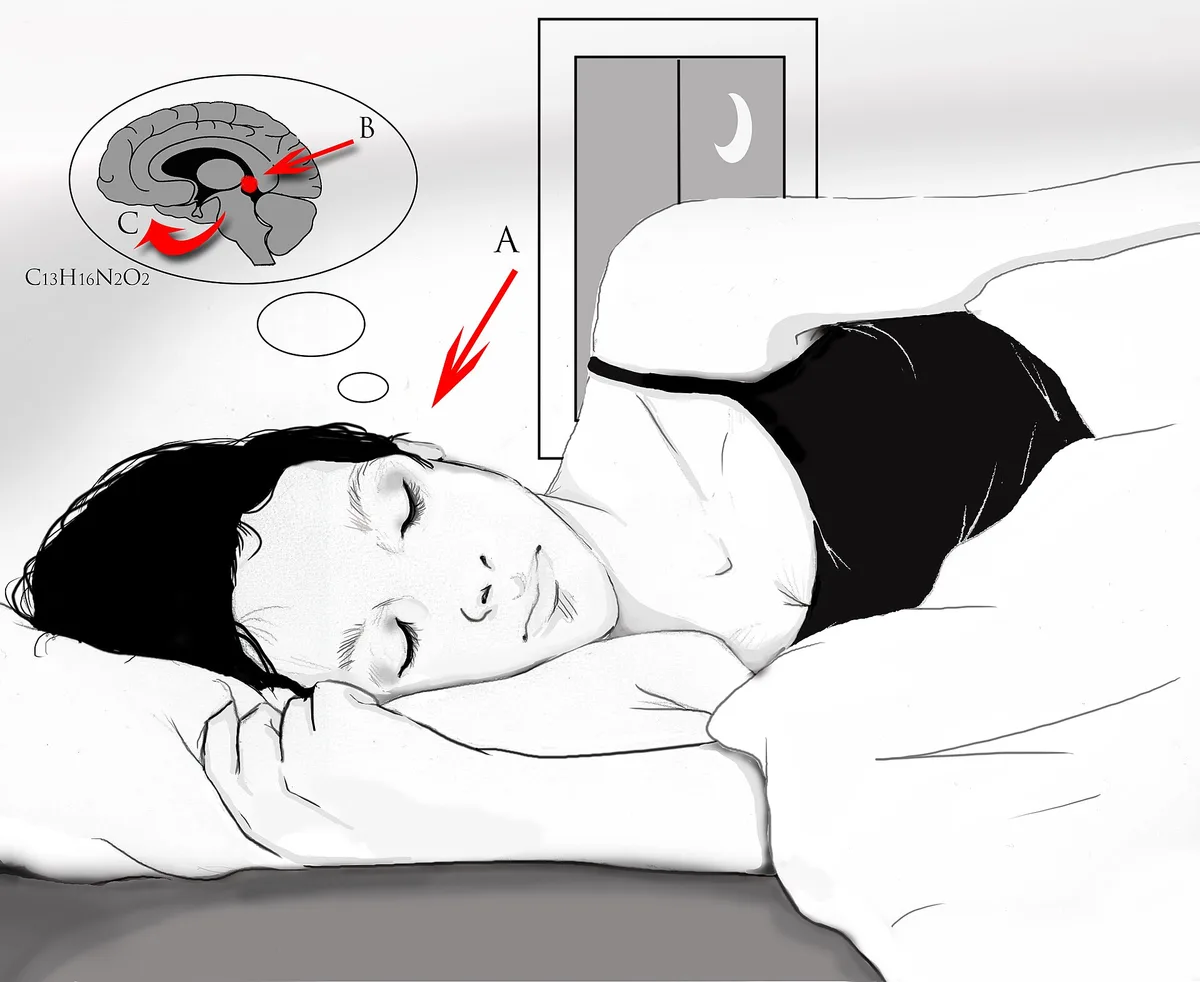
Sleep debt is the gap between the sleep a person needs and the sleep they actually get, added up over days or weeks. A person who needs eight hours but gets six builds a small gap each night, and those gaps compound. The most important qualification: research does not support a precise hour-for-hour repayment formula, and some effects of repeated short sleep may not reverse quickly.
The clearest anchor comes from the CDC, which recommends that adults ages 18 to 60 get at least seven hours of sleep per night, based on a joint consensus statement from the American Academy of Sleep Medicine and the Sleep Research Society. Consistently falling short of that target is how sleep debt begins. The Cleveland Clinic notes that sleep needs vary from person to person, so the baseline for any individual may sit above or below the population recommendation.
What is sleep debt?
Sleep debt is a way of describing accumulated sleep loss, not a formal medical diagnosis. The term covers two related patterns. Acute sleep debt is the short-term fog after a few bad nights or one very short night. Chronic sleep debt is the slower accumulation that comes from habitually sleeping less than the body needs, week after week.
Both patterns matter because sleep is not idle time. Per the Cleveland Clinic, sleep is when the body conserves and restocks energy, carries out self-repair and recovery, and performs brain maintenance, reorganizing and cataloging memories and learned information. Cutting sleep short trims those processes. The practical summary: sleep debt is the running total of nights that fell short.
How does missed sleep affect the body and mind?
The effects show up quickly in thinking and mood, and more slowly in physical health. The Sleep Foundation explains that without enough sleep, the brain cannot function properly, impairing concentration, clear thinking, and memory processing. The same organization lists emotional regulation, judgment, decision making, and problem solving among the functions that healthy sleep supports. About one in three American adults does not get enough sleep, according to the Sleep Foundation.
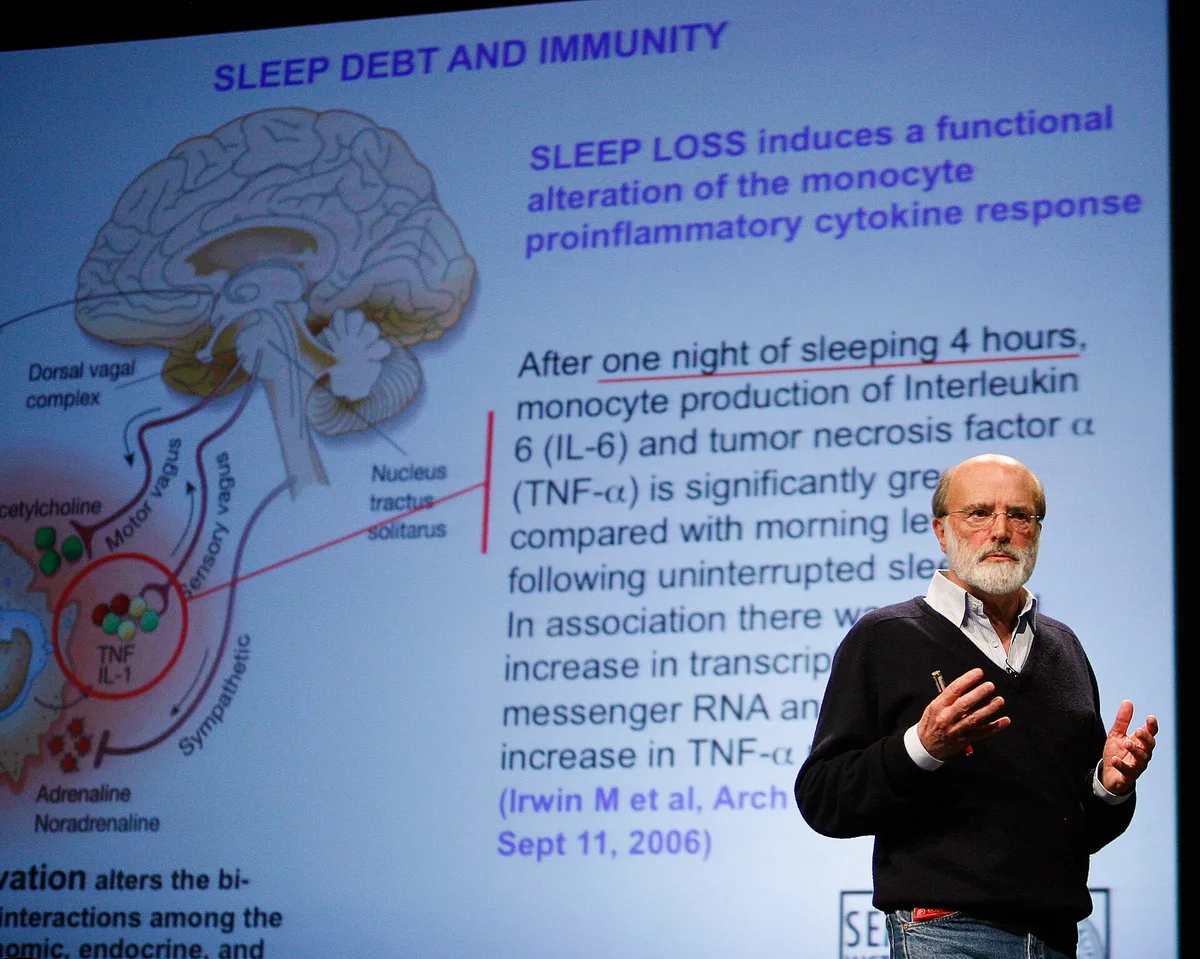
Physical effects follow. The CDC lists benefits of adequate sleep that run in the opposite direction of deprivation: getting sick less often, staying at a healthy weight, better heart health and metabolism, and lower risk of type 2 diabetes, heart disease, high blood pressure, and stroke. The Sleep Foundation adds that sleep supports immune function and provides the growth hormone release needed for tissue growth and repair. In other words, the costs of sleep debt touch nearly every body system the sources describe.
Does weekend catch-up sleep reverse the damage?
Extra sleep on days off can blunt the worst of the short-term fog, but the evidence that it fully reverses the effects of chronic short sleep is limited. None of the major public-health guidance reviewed here endorses a repayment schedule, and the CDC's advice focuses on a different strategy: going to bed and getting up at the same time every day, seven days a week.
There are reasons for caution beyond the missing evidence. The Cleveland Clinic notes that napping for too long can affect overnight sleep quality, and that long or frequent napping is linked to increased risk for certain health problems. Long weekend lie-ins can likewise shift the body clock, making Monday morning harder. What this means in practice: catch-up sleep is a reasonable pressure valve after a rough stretch, not a repair plan. Steadier nightly sleep is the approach the guidance actually supports.
What actually helps repay sleep debt?
The CDC names specific habits that improve sleep, and they read less like a strict regimen than a short list of adjustments:
- Going to bed and getting up at the same time every day.
- Keeping the bedroom quiet, relaxing, and at a cool temperature.
- Turning off electronic devices at least 30 minutes before bedtime.
- Avoiding large meals and alcohol before bedtime.
- Avoiding caffeine in the afternoon or evening.
- Exercising regularly and maintaining a healthy diet.
Two of those items deserve a plain-language note. Alcohol before bed can shorten sleep even though it feels relaxing, a point covered in more depth in Alcohol and Health: What the Evidence Really Says, and afternoon caffeine can linger long enough to delay sleep onset, as detailed in Caffeine: How Much Is Safe Per Day? Evening screens are their own variable; the evidence there is reviewed in Screens and Sleep Quality: What the Research Shows. For a fuller habit-by-habit breakdown, the guide to sleep hygiene sorts which habits have evidence behind them.
A small starting habit works better than an overhaul: pick a consistent wake-up time and protect it first. The wake time anchors the body clock, and a stable bedtime tends to follow. One real-life obstacle is worth naming, because it is the most common one: a demanding schedule that makes an earlier bedtime feel impossible. The non-preachy option is to move bedtime earlier by a small amount rather than attempting a dramatic reset, and to treat daytime sleepiness after a full night's sleep as information worth acting on.
When should someone see a clinician about sleep?
The CDC advises talking to a healthcare provider if sleep problems happen regularly, or if signs of a common sleep disorder appear. Those disorders include insomnia, restless legs syndrome, narcolepsy, and sleep apnea. The Cleveland Clinic adds a second trigger: if a person's sleep need differs from the amount recommended for their age group, a provider can help determine whether the difference points to a medical issue worth exploring.
Signs of poor sleep quality are also worth raising, per the CDC: trouble falling asleep, repeatedly waking during the night, and feeling sleepy even after getting enough sleep. A provider may suggest keeping a sleep diary that records bedtimes, night wakings, morning wake times, naps, exercise, and alcohol or caffeine intake.
What the evidence establishes, and what it does not
The sources agree on the core: adults generally need at least seven hours, sleep supports memory, mood, immunity, and metabolic health, and shortchanging it raises the risk of several chronic conditions. They do not establish how quickly sleep debt reverses, whether weekend recovery sleep restores what chronic short sleep costs, or a precise repayment formula. Those remain open questions. The supported takeaway is unglamorous and useful: consistent nightly sleep, at the same times each day, is the intervention with the strongest backing.