
No level of alcohol consumption is safe for health, the World Health Organization stated in its 2023 position. That marked a break from the idea that a daily glass of wine protects the heart, an idea now contested by better-designed studies and by alcohol's Group 1 carcinogen status.
This article walks through what decades of research support and where the evidence remains unsettled.
What counts as a standard drink?
Per the CDC, a standard drink in the United States contains 14 grams of pure alcohol: one 12-ounce beer at 5 percent, one 5-ounce glass of wine at 12 percent, or one 1.5-ounce shot of spirits at 40 percent. Those servings are smaller than what most bars pour, and mixed drinks frequently contain two or three standard drinks without appearing larger.
The CDC's categories define moderate drinking as up to one drink per day for women and up to two for men, while heavy drinking means eight or more drinks per week for women and 15 or more for men. Binge drinking, five or more drinks on one occasion for men and four or more for women, describes the pattern that sends most people to emergency departments, per CDC surveillance data.
Why did the heart benefit of moderate drinking fall apart?
For decades, observational studies showed a J-shaped curve: moderate drinkers appeared healthier than abstainers, with lower rates of heart disease. The interpretation problem was the comparison group. Many abstainers had quit drinking because of illness or past alcohol problems, making the abstainer group look artificially sick. A landmark 2016 study in the Journal of Studies on Alcohol and Drugs re-analyzed 87 existing studies and found that when former and occasional drinkers were separated from lifetime abstainers, the protective J-curve largely disappeared.
A major 2018 analysis in The Lancet of data from nearly 600,000 current drinkers, part of the Global Burden of Disease project, found no overall protective effect and concluded that the safest level of drinking is none. The findings were reported widely by BBC News and reshaped guidelines in several countries.
What does alcohol do to cancer risk?
The evidence here is not contested. The International Agency for Research on Cancer classifies alcoholic beverages as a Group 1 human carcinogen, its highest category, and a 2021 IARC report attributed roughly 741,000 new cancer cases worldwide in 2020 to alcohol, with breast, liver, colorectal, and esophageal cancers among the leading types. Even light drinking accounted for a meaningful share of those cases in the IARC modeling.
The mechanisms are well described: alcohol metabolizes to acetaldehyde, a carcinogenic compound, damages DNA, raises estrogen levels, and improves absorption of tobacco carcinogens. The American Association for Cancer Research's 2024 report listed alcohol reduction among its cancer prevention recommendations.
What about the Mediterranean diet and red wine?
The Mediterranean diet's benefits come largely from its plant foods, olive oil, fish, and legumes, and a 2018 randomized Spanish trial found improvements in cardiovascular outcomes with the diet, with wine as one optional component rather than the active ingredient. Some researchers have argued that resveratrol and other polyphenols in red wine explain the French paradox, but the doses in laboratory studies far exceed what wine delivers, and a 2014 review concluded that dietary resveratrol levels are too low to account for observed benefits.
Which health harms are well established?
The list from large epidemiological and clinical research is long.
- Liver disease. Alcohol is the leading cause of cirrhosis in many countries, and alcohol-related liver disease deaths rose sharply in the United States during the pandemic years, per a 2022 study in Clinical Gastroenterology and Hepatology.
- Injuries. CDC surveillance attributes tens of thousands of U.S. deaths annually to alcohol, including motor vehicle fatalities, falls, and drownings.
- Cardiomyopathy and hypertension. Sustained heavy drinking weakens the heart muscle and raises blood pressure; a 2019 study in the journal Hypertension found that even one daily drink raised blood pressure measurably over follow-up in some analyses.
- Fetal alcohol spectrum disorders. No amount is established as safe during pregnancy, per the CDC and the American Academy of Pediatrics.
- Dependence. Roughly 283 million people worldwide live with alcohol use disorders, per WHO estimates published in 2018.
Does cutting back improve health quickly?
Several effects appear within weeks. Blood pressure falls, sleep consolidates, and liver fat declines in people without advanced disease; a frequently cited 2018 BBC documentary experiment with UK doctors abstaining for a month, monitored by University College London researchers, documented liver fat reduction and improved metabolic markers after four weeks, though a television experiment is weaker evidence than a controlled trial. Longer abstinence reduces cancer risk gradually, with oral and esophageal cancer risk declining substantially within years of quitting, per IARC reviews.
Are there genuine uncertainties left?
Yes. The dose-response curve at very light intakes, below half a drink per day, remains disputed, and some researchers continue to report small cardiovascular benefits in specific subgroups. Randomized trials of alcohol are rare for ethical and practical reasons, leaving the field dependent on cohort data that cannot fully exclude confounding. Guidelines in Canada, updated in 2023, now advise two or fewer drinks per week as low risk, reflecting the newer analyses, while U.S. advisory discussions continue.
Does alcohol help people sleep?
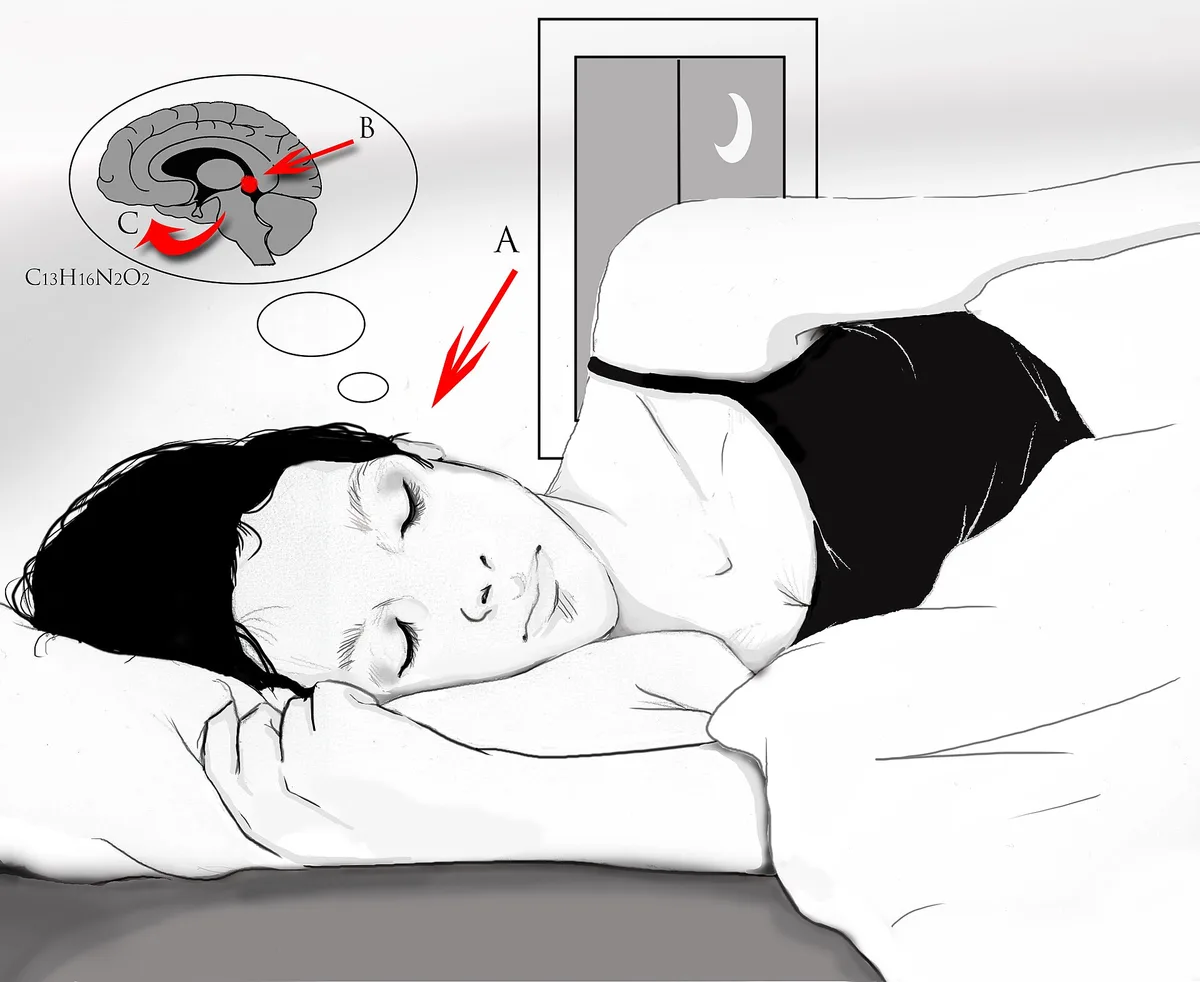
It shortens the time to fall asleep, which explains its popularity as a nightcap, but the sleep it produces is worse. A 2013 meta-analysis in Alcoholism: Clinical and Experimental Research found that alcohol before bed suppresses rapid eye movement sleep early in the night and increases wakefulness in the second half as the body metabolizes it. Regular evening drinking builds tolerance to these sedative effects within days, per the review, so the apparent sleep benefit fades while the fragmentation remains. Sleep clinicians therefore treat alcohol as a substance that disrupts sleep architecture rather than a remedy for insomnia, and guidelines for insomnia management consistently list reducing evening alcohol among first-line behavioral changes.
When to see a doctor
People who drink heavily should not stop abruptly without medical support, since alcohol withdrawal can cause seizures and can be fatal, a fact emphasized in CDC and clinical guidance on withdrawal management. Effective treatments exist, including medications such as naltrexone and acamprosate and evidence-based counseling, and the National Institute on Alcohol Abuse and Alcoholism's treatment navigator lists options. Yellowing skin, abdominal swelling, or confusion in a heavy drinker requires urgent evaluation.