Home blood pressure monitors can track hypertension more reliably than occasional office visits: the American Heart Association notes that readings taken correctly at home, with a validated upper-arm cuff device, are often lower and more predictive of future risk than clinic measurements, and hypertension is defined by the AHA and American College of Cardiology 2017 guideline as sustained readings of 130/80 mm Hg or higher. Roughly 120 million US adults have hypertension, per CDC estimates published in 2024, and about one in four of them has it under control.
This article explains how to choose a monitor, how to take an accurate reading, and how home numbers map onto the standard categories.
Which blood pressure monitor should a person buy?
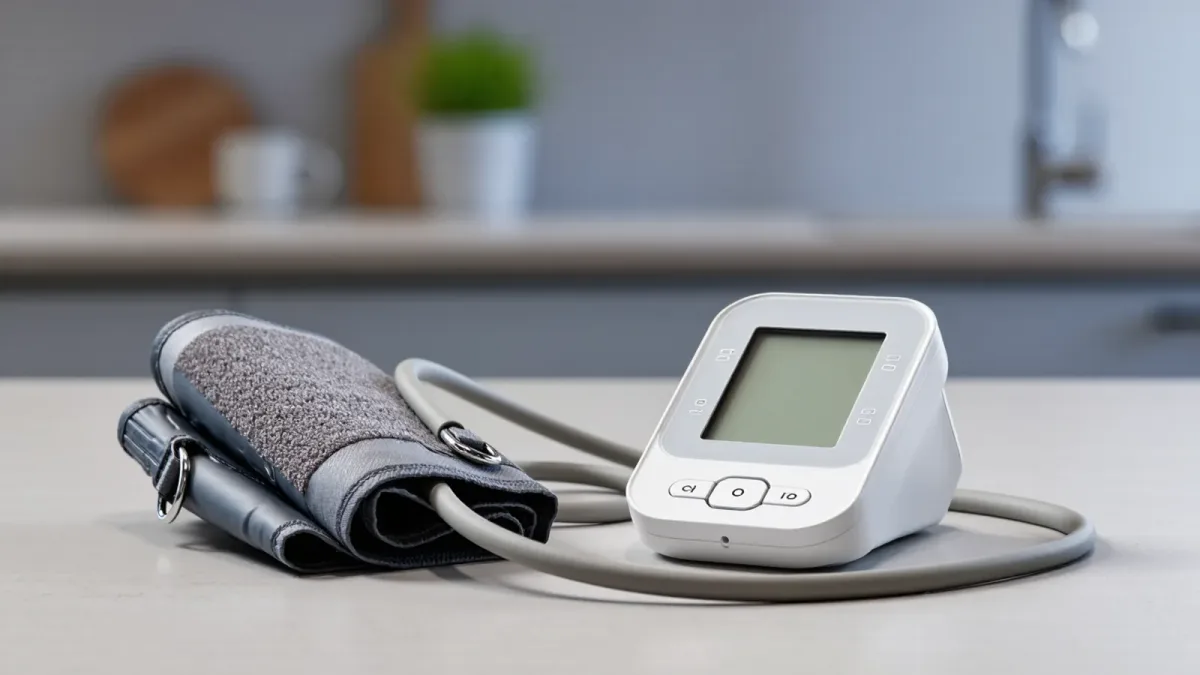
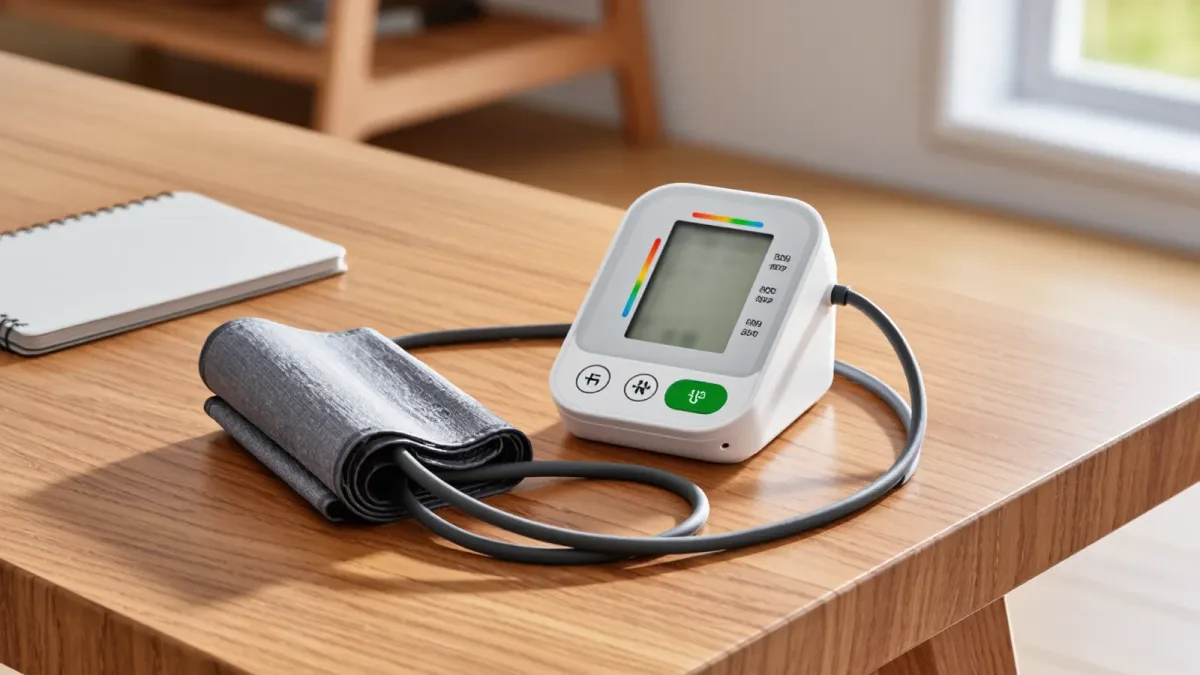
Not all devices are equally trustworthy. Both the AHA and the National Institutes of Health recommend automatic, cuff-style monitors that wrap around the upper arm, and both point consumers to devices validated for accuracy through international protocols, often listed in the Validate BP registry maintained by researchers and referenced in NIH materials. Wrist and finger monitors are less consistent in testing, and finger monitors in particular are not recommended by the AHA.
The cuff size matters as much as the device. A cuff too small for the arm artificially inflates readings, and a too-large cuff can underestimate them, per AHA guidance. Measure the arm's circumference at mid-upper arm and match it to the cuff's printed range before purchasing.
How should a reading be taken?
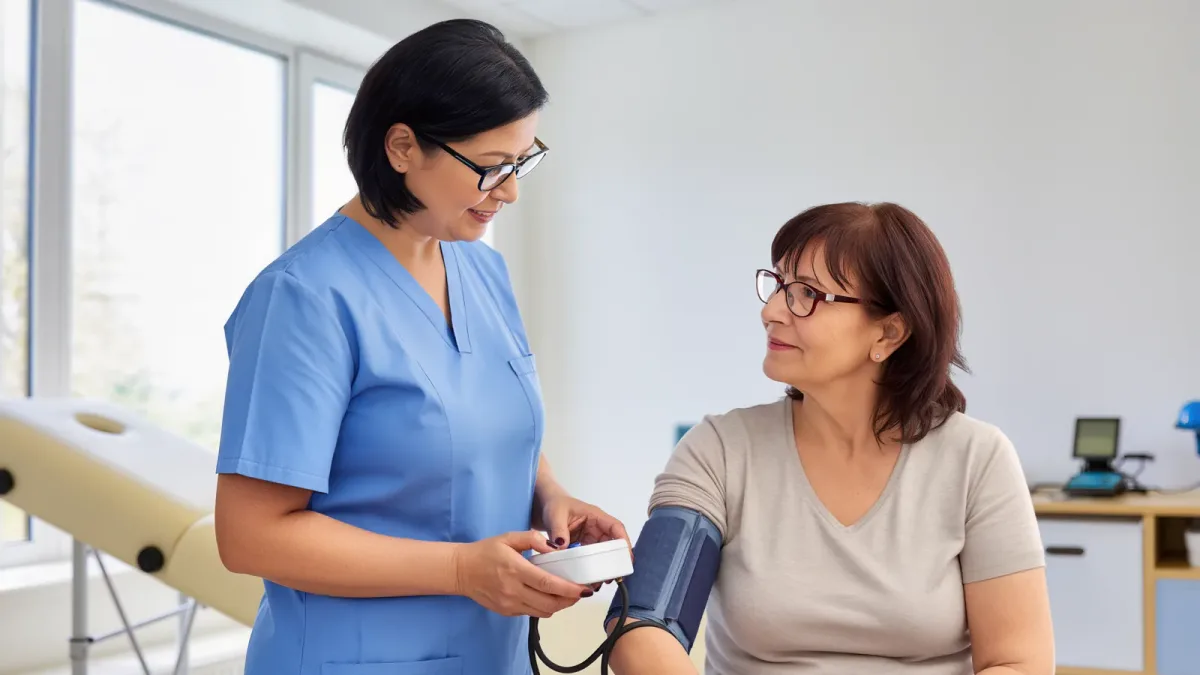
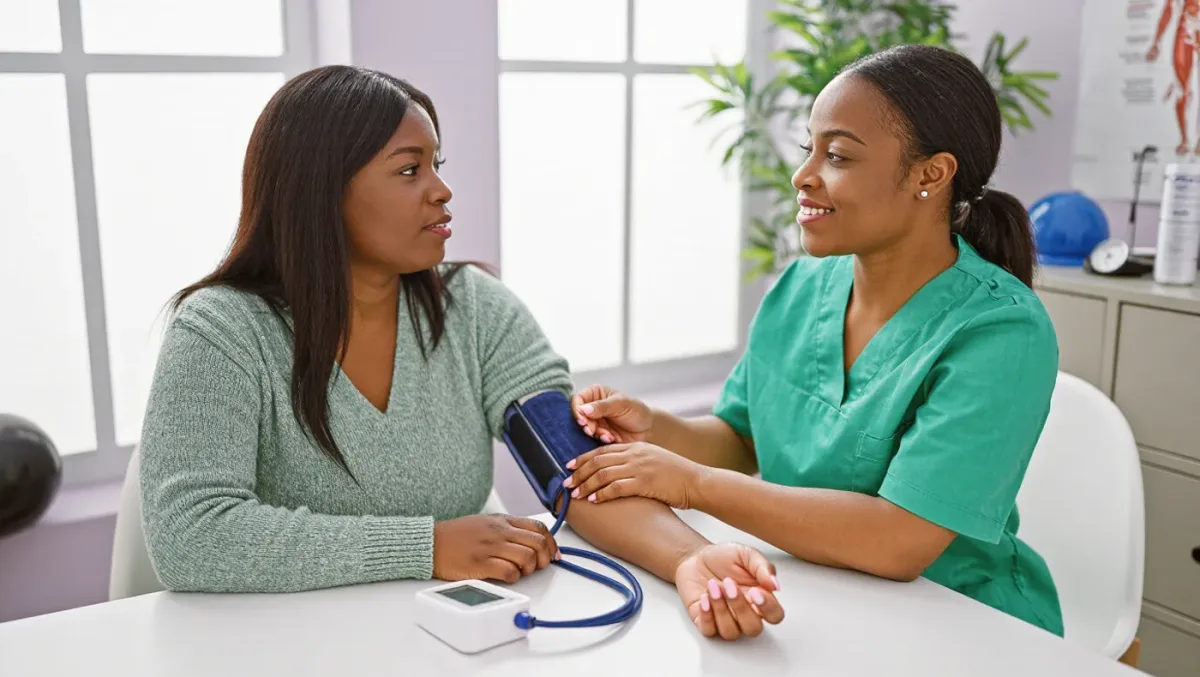
Accuracy at home depends almost entirely on technique. The following sequence mirrors instructions from the AHA and CDC published as of 2024:
- Avoid caffeine, exercise, and smoking for at least 30 minutes before the measurement.
- Empty the bladder, then sit quietly for five minutes with legs uncrossed and feet flat on the floor.
- Rest the arm on a table so the cuff sits at heart level, with the back supported rather than slouched.
- Place the cuff on bare skin, not over clothing, snug but able to fit two fingers underneath.
- Stay silent during the measurement and take two readings one minute apart.
- Record both numbers, the systolic over the diastolic, along with the time of day.
Timing also follows a rhythm. AHA guidance suggests measuring at the same times each day, commonly morning before medication and again in the evening, for the seven days before a clinician visit. A common pattern called white coat hypertension, elevated readings only in clinical settings, and its counterpart masked hypertension, normal office readings with high home readings, are among the main reasons clinicians ask for a home log.
What do the numbers mean?
The 2017 AHA/ACC guideline, the standard most US clinicians follow, defines five categories based on office readings. Home readings tend to run slightly lower, so clinicians interpret the log rather than any single value.
| Category (AHA/ACC 2017) | Systolic (mm Hg) | Diastolic (mm Hg) |
|---|---|---|
| Normal | Less than 120 | and less than 80 |
| Elevated | 120 to 129 | and less than 80 |
| Stage 1 hypertension | 130 to 139 | or 80 to 89 |
| Stage 2 hypertension | 140 or higher | or 90 or higher |
| Hypertensive crisis | Higher than 180 | and/or higher than 120 |
A hypertensive crisis reading warrants immediate contact with a clinician or emergency services, particularly when accompanied by chest pain, shortness of breath, vision changes, or neurological symptoms, per AHA guidance.
Why do readings vary so much between measurements?
Blood pressure is not a fixed number. It rises with a full bladder, a recent meal, cold temperatures, talking during measurement, an unsupported arm, and emotional stress. Studies cited by the AHA found an unsupported arm can add up to 10 points, and a full bladder can add up to 15. Because of this noise, single readings, at home or in a pharmacy, carry limited meaning; the diagnostic weight lies in averaged logs across several days.
Who benefits most from a home monitor?
The 2017 AHA/ACC guideline recommends home monitoring as a routine part of managing hypertension, and evidence cited by the National Heart, Lung, and Blood Institute associates home measurement with better medication adherence and greater blood pressure declines when paired with clinician feedback. People starting or adjusting antihypertensive medication, those with white coat or masked patterns, and people with conditions such as diabetes or kidney disease, where tight control matters, are the groups most often asked to keep logs.
When to see a doctor
Any home systolic reading above 180 or diastolic above 120, repeated after five minutes of rest, is a hypertensive crisis by AHA criteria and requires immediate medical attention, with emergency care if symptoms are present. Readings consistently in stage 1 or stage 2 territory across a week of logging warrant a scheduled appointment rather than an emergency visit. Signs that elevate urgency at any reading level include chest pain, severe headache, blurred vision, shortness of breath, weakness on one side, or difficulty speaking, all of which should trigger a call to emergency services.