
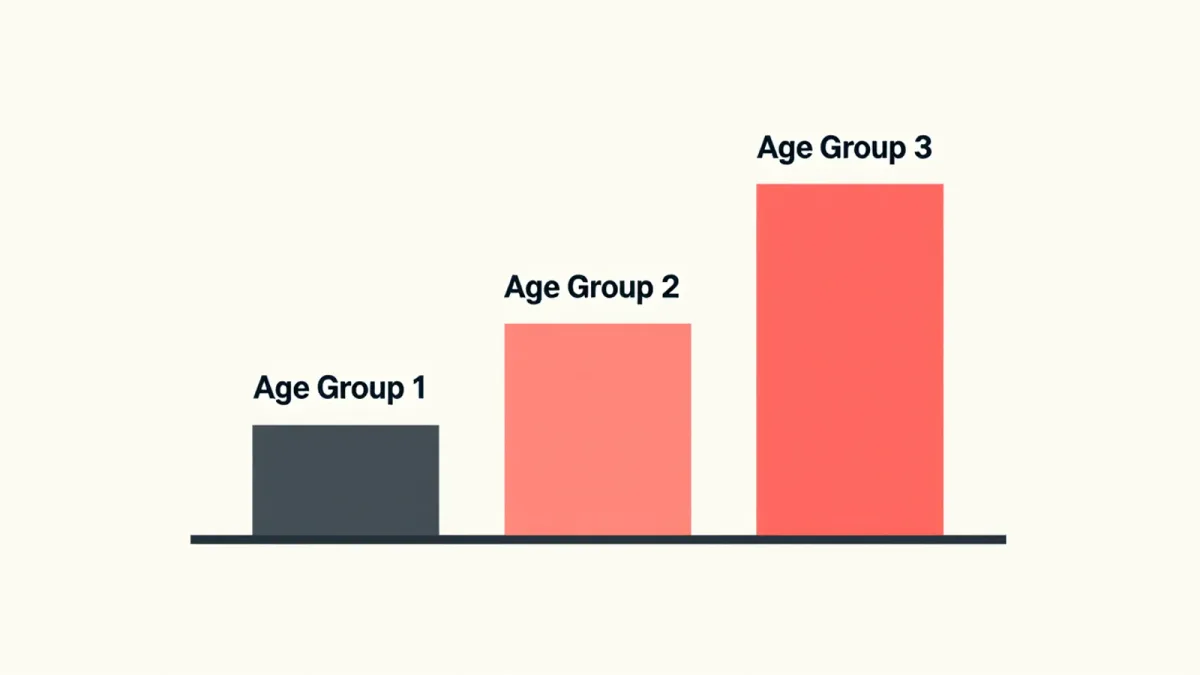
Respiratory syncytial virus is not only a childhood illness: among US adults 65 and older, CDC estimates RSV causes 60,000 to 160,000 hospitalizations and 6,000 to 10,000 deaths each year, and vaccines against it cut the risk of severe outcomes sharply, with real-world effectiveness against RSV-associated hospitalization running roughly 80 percent or higher in the first season after vaccination, per early studies cited by CDC in 2024. The CDC's advisory committee, ACIP, has since 2024 recommended a single dose of an RSV vaccine for all adults aged 75 and older, and for adults aged 60 to 74 who face elevated risk.
This article explains what RSV does in older bodies, who is recommended for vaccination, what the vaccine data show, and what to expect from a dose.
What does RSV do in older adults?
In children, RSV is famous for bronchiolitis; in older adults it presents as a lower respiratory tract infection that is difficult to tell from influenza by symptoms alone, producing cough, congestion, wheezing, fever, and, in vulnerable lungs, pneumonia and exacerbations of asthma, COPD, and heart failure. CDC's surveillance, summarized in its MMWR reports, finds RSV hospitalization rates among adults 75 and older approach those seen in young children in typical seasons, which run from roughly October through March in most of the continental United States.
The vulnerability has structural reasons. Aging airways clear secretions less effectively, immune memory to the virus wanes, and reinfection occurs throughout life, meaning an older adult can catch RSV repeatedly even after decades of prior exposure. Comorbidities, especially chronic lung disease, heart disease, diabetes, and kidney disease, multiply the odds that an infection ends in hospital care.
Who is the vaccine recommended for?
The recommendation architecture changed twice. In 2023, ACIP advised shared decision-making for all adults 60 and older. In June 2024 the committee restructured that advice: a routine single dose for everyone 75 and older, and for adults 60 through 74 vaccination based on shared decision-making limited to those with risk factors, which CDC lists as chronic cardiovascular or lung disease, diabetes with complications, kidney or liver disorders, neurologic conditions, obesity, frailty, and residence in a nursing home or long-term care facility. In June 2025, ACIP voted again, per CDC's published update, lowering the risk-based threshold to adults 50 through 74 with risk factors, taking effect with the 2025-2026 season.
The vaccine is seasonal by design. Because protection wanes across seasons, the products are not annual shots like influenza vaccine; CDC guidance frames vaccination as a one-time course for most adults, timed for late summer or early fall, ahead of the RSV season peak. Persons who were vaccinated in a prior season are not currently advised to take an additional dose, with CDC noting that the question of boosters remains under review as durability data accumulates.
How well do the vaccines work?
Three products are approved for older adults in the United States: two protein-based vaccines, Arexvy from GSK and Abrysvo from Pfizer, approved by the FDA in 2023, and a modern mRNA vaccine, mResvia from Moderna, approved in 2024. The pivotal trials, summarized in FDA approval documents and cited by CDC, showed efficacy above 80 percent against lower respiratory tract disease with at least two symptoms in the first season, and efficacy against severe disease with three or more symptoms, including hospitalization-level illness, was similarly high in adults 70 and older.
Real-world confirmation followed. CDC-cited observational studies from the 2023-2024 and 2024-2025 seasons, published through its Vaccine Safety Datalink and INTERSECT networks, found vaccine effectiveness of roughly 80 percent against RSV-associated emergency department visits and hospitalization in the first season, with some attenuation by the end of the season. Data across two seasons remain limited, which is precisely why the one-dose-not-annual framing persists: the honest answer is that first-season effectiveness is solid and second-season durability is still being measured.
What are the side effects?
The common reactions, per FDA labeling, are injection-site pain, fatigue, muscle aches, headache, and low-grade fever, usually resolving within a few days. One safety signal deserves plain language: in the pivotal trials, two cases of Guillain-Barré syndrome occurred among vaccinated recipients versus none among controls, and post-marketing surveillance has kept the question open. CDC states the observed rate is around five additional cases per million doses for some products, an FDA-required warning has been added to the labels, and ACIP has judged the benefit-risk balance favorable for the recommended groups because RSV hospitalization risk in the target ages exceeds it by a wide margin.
Can RSV vaccine be given with flu and COVID shots?
Yes. CDC states the RSV vaccine can be co-administered with influenza and COVID-19 vaccines at the same visit, and many pharmacies schedule them together in early fall. Some recipients report slightly more soreness or fatigue with multiple vaccines in one sitting, which is an expected immune response rather than a complication.
When to see a doctor
An older adult with difficulty breathing, chest pain or pressure, bluish lips or fingertips, confusion, or inability to keep fluids down needs urgent evaluation, since these signs point to lower respiratory involvement or dehydration. A cough or fever that worsens after several days rather than improving, or a flare of COPD or heart failure symptoms during RSV season, also warrants prompt clinical attention, because antiviral and supportive treatments work better early. There is no approved antiviral therapy for RSV in adults, which is precisely why prevention, vaccination plus the same hygiene measures used against influenza, carries the preventive weight. After vaccination, severe allergic signs such as hives, facial swelling, or fainting require emergency care.