Type 2 diabetes is, in a substantial share of cases, a preventable disease: in the Diabetes Prevention Program, the largest randomized trial ever conducted on the question, adults with prediabetes who followed a structured lifestyle program reduced their incidence of type 2 diabetes by 58 percent compared with placebo, per results published by the New England Journal of Medicine in 2002 and cited by the CDC ever since. The scale of the target is large. CDC reported in 2024 that 38.4 million Americans have diabetes, the vast majority type 2, and that more than one in three adults has prediabetes, most of them unaware.
This article examines which preventive measures have randomized-trial support, what screening schedules the American Diabetes Association describes, and where the honest limits of the evidence lie.
What is prediabetes, and why does it matter?
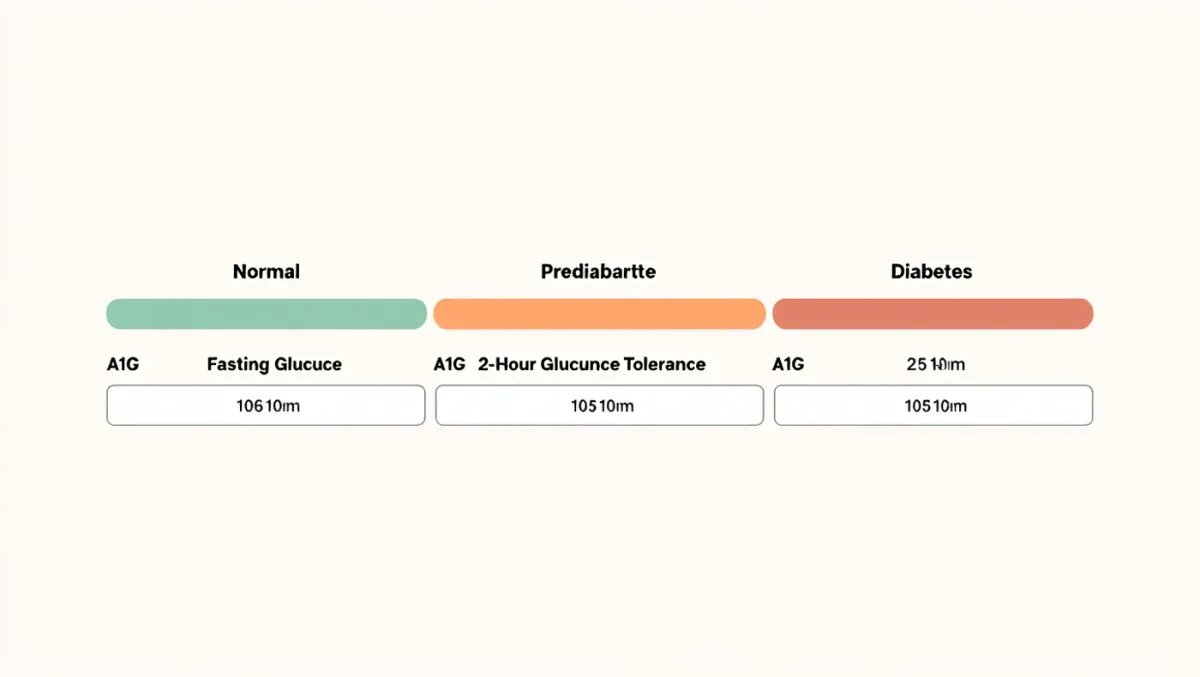
Prediabetes describes blood glucose above the normal range but below the diabetes threshold. The American Diabetes Association's Standards of Care, updated annually and current as of the 2025 edition, defines it as a fasting plasma glucose of 100 to 125 mg/dL, a two-hour value of 140 to 199 mg/dL on an oral glucose tolerance test, or an A1C of 5.7 to 6.4 percent. The condition itself usually causes no symptoms, which is why it is detected almost exclusively through screening.
The reason prediabetes draws preventive attention is trajectory: CDC cites evidence that without intervention, a meaningful proportion of people with prediabetes progress to type 2 diabetes within several years. Progression is not inevitable, and the reversal data is the strongest part of the whole prevention literature.
What did the Diabetes Prevention Program find?
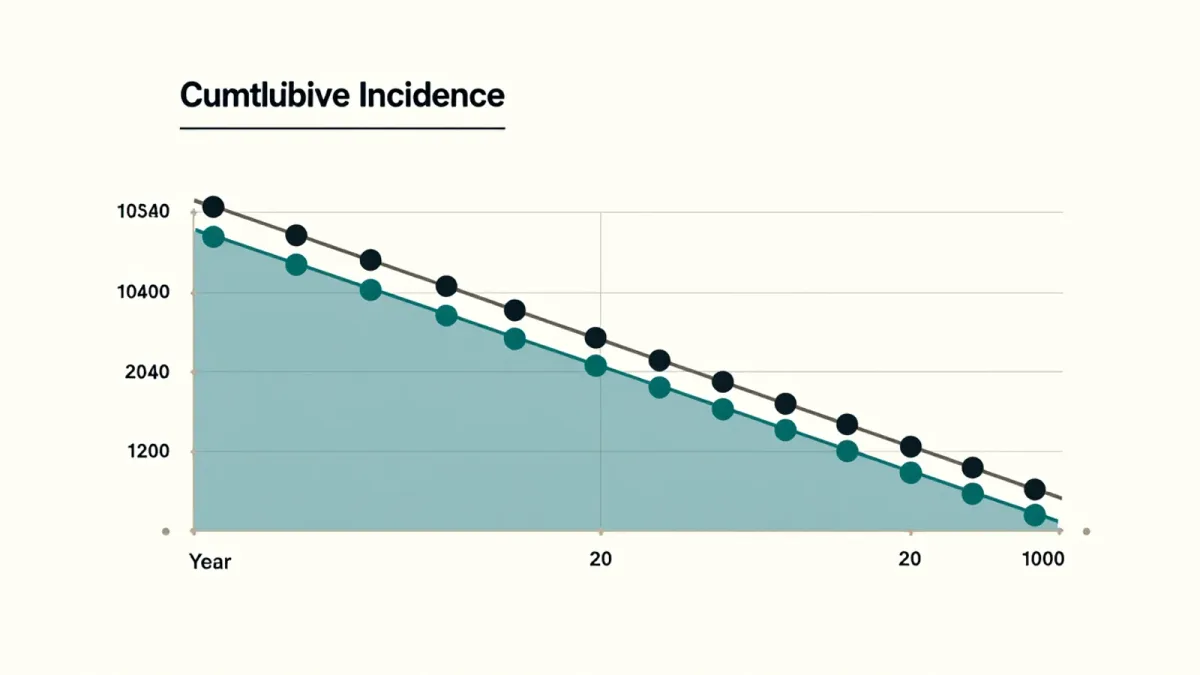
The DPP enrolled 3,234 adults with elevated glucose across 27 US centers and randomized them to an intensive lifestyle program, the drug metformin, or placebo. Published in the New England Journal of Medicine in 2002, the headline results were stark: the lifestyle arm, which targeted at least 7 percent weight loss and 150 minutes of weekly moderate activity, cut diabetes incidence by 58 percent, and metformin cut it by 31 percent. In participants aged 60 and older, the lifestyle intervention was even stronger, reducing incidence by 71 percent.
The follow-up matters as much as the original. In the Diabetes Prevention Program Outcomes Study, reported in the Lancet in 2009 and later updates, the lifestyle group's risk reduction persisted for years even after intensive coaching ended, and a 2015 analysis cited by the National Institutes of Health found delayed onset of diabetes by roughly four years on average compared with placebo. The program's curriculum became the basis for the CDC's National Diabetes Prevention Program, a year-long structured course now offered in person and online across the country.
What does the lifestyle program actually involve?
The DPP protocol, and the CDC-recognized programs modeled on it, break down into a small number of measurable targets rather than a diet in the popular sense:
- Losing 7 percent of body weight, a modest figure, roughly 15 pounds for a 210-pound person.
- Completing at least 150 minutes of moderate physical activity per week, such as brisk walking.
- Reducing dietary fat toward 25 percent of calories, with individual calorie targets.
- Tracking food and activity, attending 16 core sessions in the first six months, then monthly maintenance contact.
Later analyses found the weight-loss target carried most of the effect, and that participants who met the activity goal without losing weight still reduced risk, though less dramatically. No single food, supplement, or nutrient pattern has been shown in comparable randomized trials to match these results.
Which foods and habits does the observational evidence favor?
Randomized evidence beyond weight loss is thinner, but large cohort studies summarized by the National Institute of Diabetes and Digestive and Kidney Diseases point in a consistent direction. Higher intake of whole grains, leafy vegetables, legumes, and nuts, and substitution of unsaturated fats for refined carbohydrates and processed meats, associate with lower diabetes incidence in cohorts such as the Nurses' Health Study. Replacing sugary drinks with water or unsweetened coffee or tea is among the better-studied single changes. Fiber intake and meal timing show associations, though causality is harder to isolate.
Sleep and stress belong in the honest accounting too. CDC consumer materials note that short sleep duration and shift work patterns associate with higher type 2 diabetes risk, and smoking cessation is listed as a preventive measure because smoking independently raises risk, per the 2014 Surgeon General's report on smoking and health.
Who should be screened, and when?
The American Diabetes Association's Standards of Care, as of the 2025 edition, recommends screening adults aged 35 and older who have overweight or obesity, repeating every three years if results are normal, and screening earlier or more often for people with additional risk factors: family history in a first-degree relative, higher-risk ancestry including African American, Hispanic, Native American, Asian, or Pacific Islander background, a history of gestational diabetes, polycystic ovary syndrome, hypertension, or abnormal lipids. The USPSTF, in its 2021 recommendation, advised screening adults aged 35 to 70 who have overweight or obesity. These schedules are the positions of those bodies, and individual clinicians may adjust them.
What about the newer weight-loss medications?
A recent layer of evidence involves the GLP-1 receptor agonists. The SELECT trial, presented in November 2023 and published in the New England Journal of Medicine, followed more than 17,000 adults with overweight and established cardiovascular disease who took semaglutide, and a pre-specified secondary analysis reported a 73 percent lower incidence of type 2 diabetes over roughly three years compared with placebo, with the effect concentrated in participants who started with prediabetes. The result carries the usual caveats of a secondary analysis: the trial was not designed to answer the diabetes-prevention question, follow-up was shorter than in the DPP, and the long-term durability, cost, and safety of the approach remain unmeasured. The ADA's 2025 Standards of Care note that GLP-1 agents have a base of evidence for delaying progression in people with prediabetes and obesity but stop short of ranking them ahead of the lifestyle program, which carries decades of follow-up data.
Does metformin have a role in prevention?
It can, in specific circumstances. The DPP showed a 31 percent reduction, and the ADA's 2025 Standards of Care describe metformin as a reasonable option for selected adults at very high risk, particularly those aged 25 to 59 with elevated A1C and strong family history, though it is not approved by the FDA specifically for diabetes prevention, which means clinicians prescribe it off label. The drug's effect was weaker in older adults, the mirror image of the lifestyle intervention, which worked best in people over 60.
When to see a doctor
Any A1C at or above 5.7 percent, a fasting glucose at or above 100 mg/dL, or a random glucose suggesting trouble should prompt a conversation with a clinician, both to confirm the result and to map out a prevention plan. Symptoms of established diabetes, including excessive thirst, frequent urination, unexplained weight loss, blurred vision, or slow-healing wounds, warrant prompt evaluation rather than lifestyle-only measures. People with prediabetes who develop numbness or tingling in the feet, or women with a history of gestational diabetes planning another pregnancy, are among the groups clinicians typically want to see sooner.