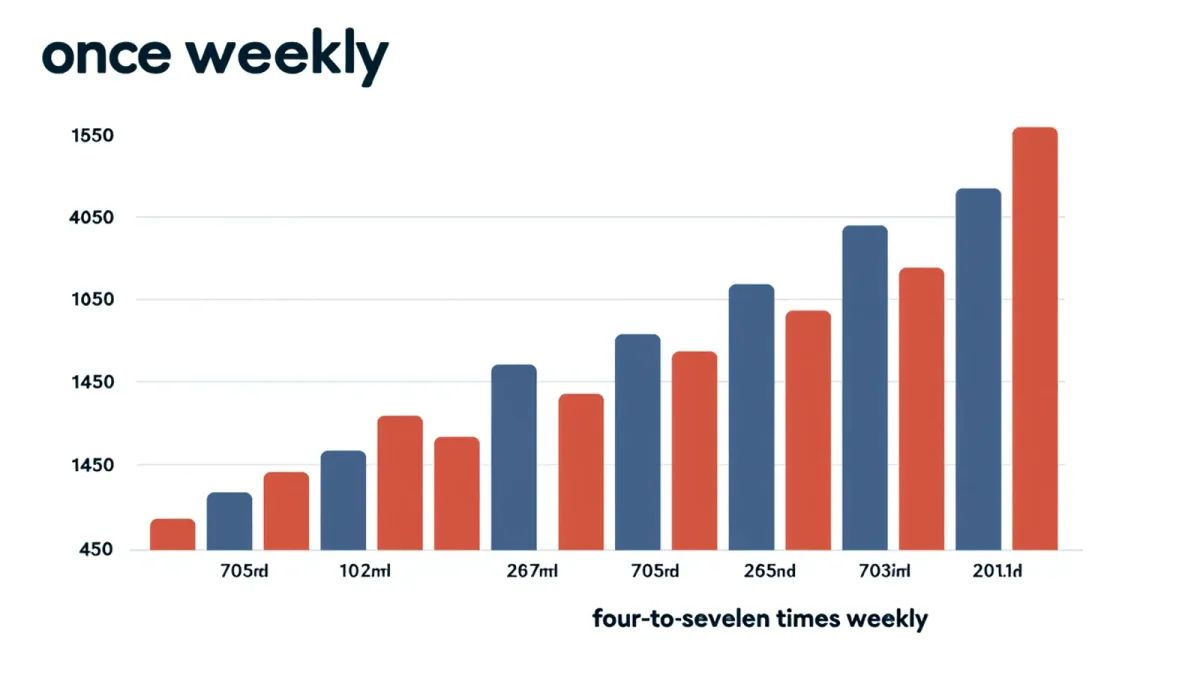
Sauna bathing has stronger health data than cold plunging: a 2015 cohort study of more than 2,300 Finnish men, published in JAMA Internal Medicine, found four to seven weekly sessions associated with 63 percent lower sudden cardiac death risk than once-weekly use. Cold immersion rests mostly on smaller recovery trials.
This article summarizes what each practice has been shown to do.
What does the sauna evidence show?
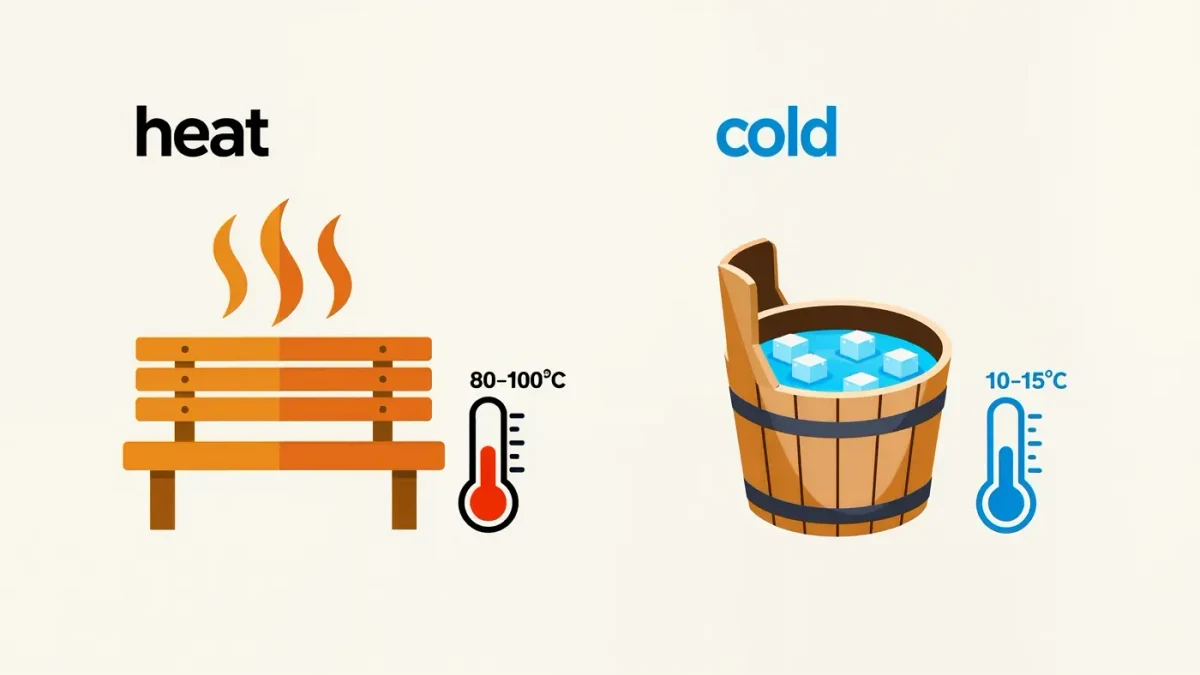
The Finnish cohort findings extend beyond cardiac outcomes. Follow-up analyses from the same Kuopio Ischaemic Heart Disease cohort reported that frequent sauna use was associated with lower risks of hypertension, dementia, and fatal cardiovascular disease, with dose-response patterns across weekly sessions. A typical protocol in these studies was 15 to 20 minutes at roughly 80 to 100 degrees Celsius, several times per week.
Cohort data cannot prove causation, and sauna users in Finland differ from non-users in ways that may confound results. Still, plausible mechanisms exist: passive heat raises heart rate and cardiac output in ways resembling moderate exercise, and repeated heat exposure increases plasma volume, per reviews in the Journal of Applied Physiology. Small trials of heat therapy in heart failure patients showed improvements in vascular function, though the trials were short.
What does cold water immersion actually do?
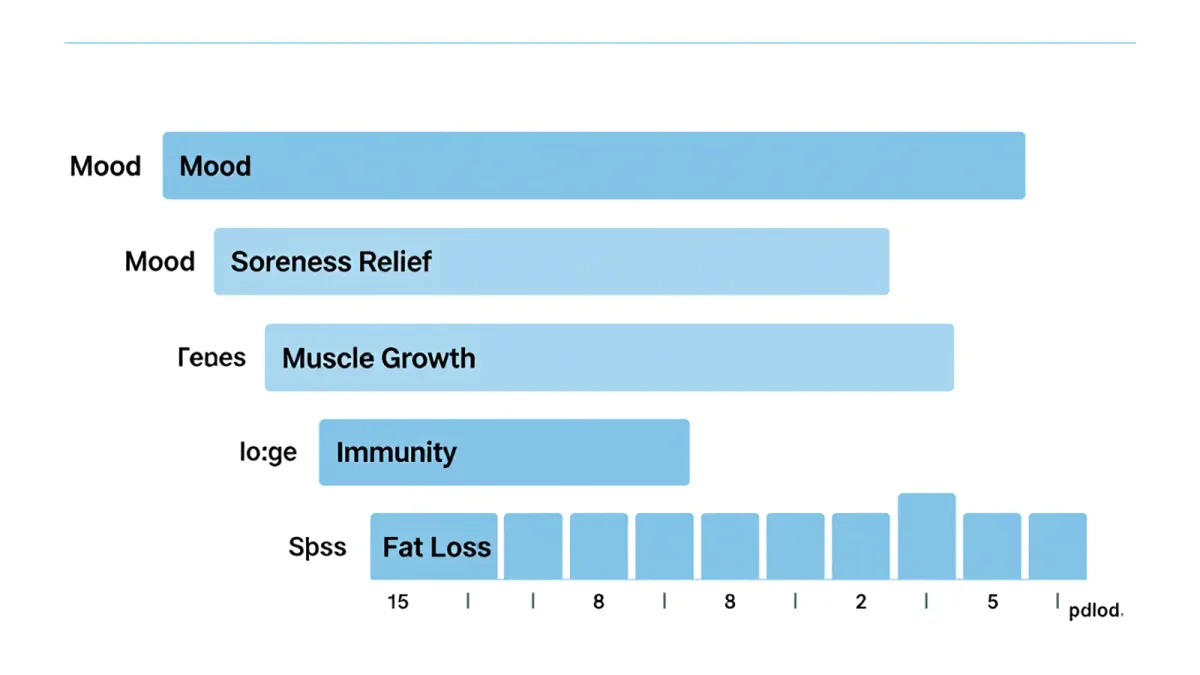
The best-supported use is subjective recovery. A frequently cited 2018 Cochrane review of cold water immersion after exercise found some evidence for reduced soreness at 24 to 96 hours, while rating the quality of the evidence as low and noting that comparisons with other recovery methods showed no clear advantage.
The trade-off that sports scientists emphasize most is adaptation. A 2015 study in the Journal of Physiology found that cold water immersion after resistance training blunted gains in muscle mass and strength over 12 weeks, plausibly because post-exercise inflammation contributes to the adaptive response. Athletes in skill or endurance phases may benefit from faster recovery, while those seeking maximal strength or hypertrophy adaptations may want to delay cold exposure.
What about claims for mood, metabolism, and brown fat?
Cold exposure activates brown adipose tissue, which burns energy to generate heat, and a 2014 study in Diabetes showed cold acclimation increased brown fat activity and insulin sensitivity in a small group of adults. Claims that cold plunges relieve depression rest largely on a 2008 case report and one small open trial, so the evidence remains preliminary. Human studies of deliberate cold exposure and immune function show mixed and inconsistent results.
How do people combine heat and cold?
Cyclical sauna use followed by cold immersion is traditional in Finland, but almost no trials test the combination directly. Researchers at the University of Eastern Finland, home to the main sauna cohort studies, have noted that most published evidence concerns sauna alone, and the added value of the cold phase remains unstudied. Practical guidance drawn from the literature is limited to safety rather than benefit.
What are the risks?
Both practices stress the cardiovascular system. Sauna bathing is generally well tolerated in people with stable coronary disease, per Finnish observational analyses, but alcohol consumption, dehydration, and unstable cardiac conditions raise risk. Cold immersion triggers a gasp response and rapid breathing on entry, and the first one to three minutes carry drowning risk, which is why safety guidance from swimming authorities emphasizes never plunging alone. Cold shock has killed experienced swimmers in open water, and people with arrhythmias or uncontrolled hypertension are advised to avoid sudden immersion in very cold water.
How long and how hot or cold?
Protocols described in the research vary, but common parameters include:
- Sauna: 15 to 20 minutes at 80 to 100 degrees Celsius, four to seven sessions weekly in the cohort studies with the strongest associations.
- Cold plunge: 10 to 15 minutes at 10 to 15 degrees Celsius in recovery trials, with many athletes using shorter exposures.
- Contrast routines: alternating heat and cold without consistent trial support for specific timings.
These are research descriptions, not recommendations, and session length should account for individual tolerance and health status.
When to see a doctor
Anyone with coronary artery disease, uncontrolled hypertension, arrhythmia, or a history of fainting should discuss sauna or cold exposure with a clinician first. Pregnant people are generally advised to avoid high-heat exposure, per obstetric guidance on core temperature. During either practice, chest pain, severe shortness of breath, palpitations, confusion, or loss of coordination call for stopping immediately and seeking medical care. Numbness beyond temporary cold sensation, skin that turns white or hard, or shivering that will not stop after a plunge can signal hypothermia and needs urgent attention.