
Skin Barrier and Moisturizers, Explained
The stratum corneum works like bricks and mortar, and moisturizer classes, humectants, emollients, and occlusives, support it in measurably different ways.
Skin and hair care judged on ingredients and concentration rather than packaging, covering what a formulation achieves and what needs a clinic instead.
The stratum corneum works like bricks and mortar, and moisturizer classes, humectants, emollients, and occlusives, support it in measurably different ways.
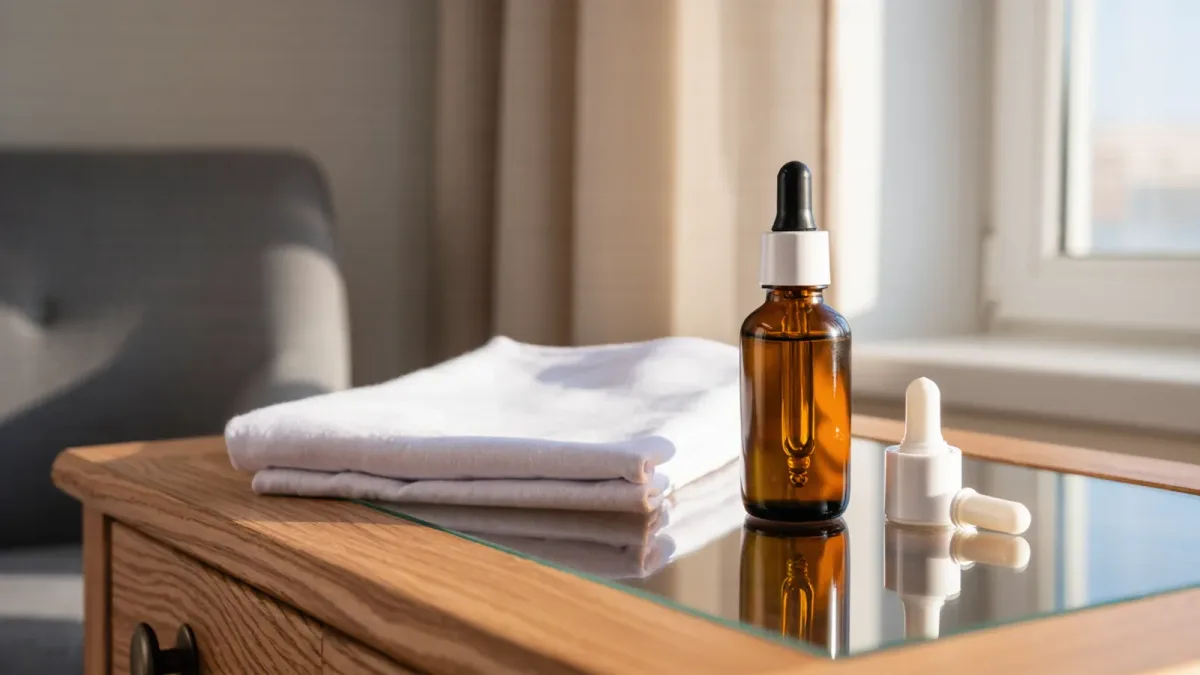
Minoxidil and finasteride carry the strongest trial records for pattern hair loss, while supplements, laser devices, and PRP sit on thinner or emerging evidence.
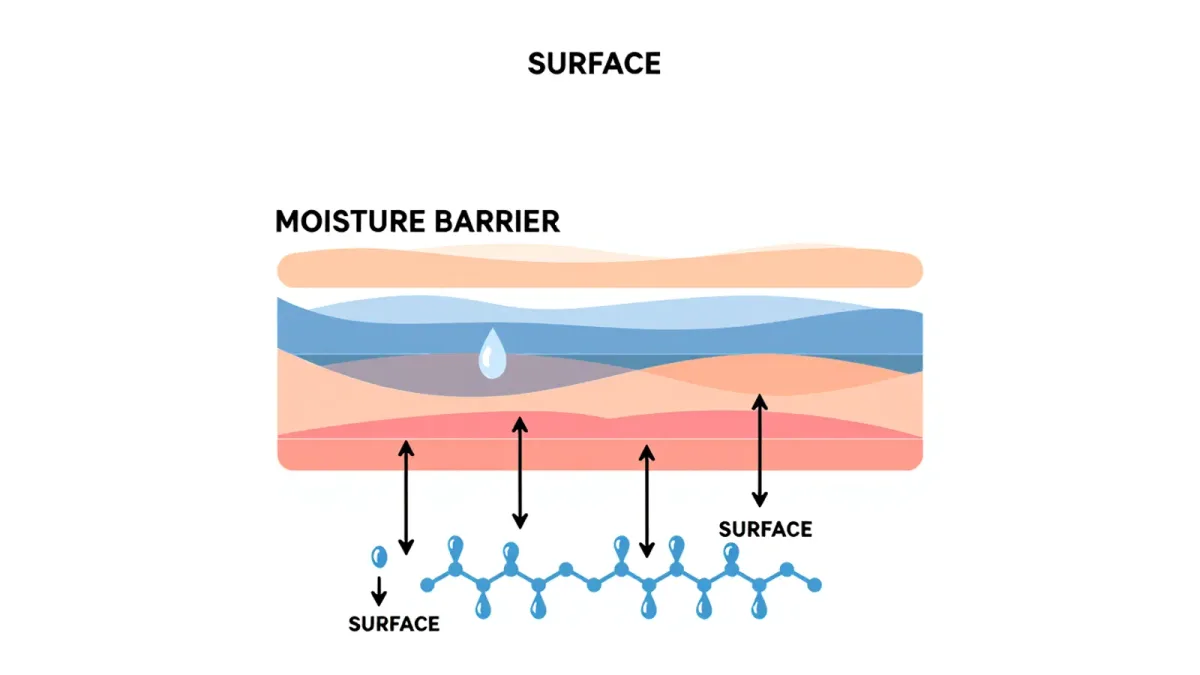
Hyaluronic acid holds water in skin effectively as a humectant, and small trials suggest oral and topical forms may improve hydration measures, with limits worth knowing.

Randomized trials support benzoyl peroxide, adapalene, azelaic acid, and several prescription options, while pore strips, toothpaste, and most natural-ingredient claims lack comparable evidence.

Niacinamide, a form of vitamin B3, has trial support for barrier function, tone, oiliness, and blemishes at low concentrations, with a favorable tolerability record.
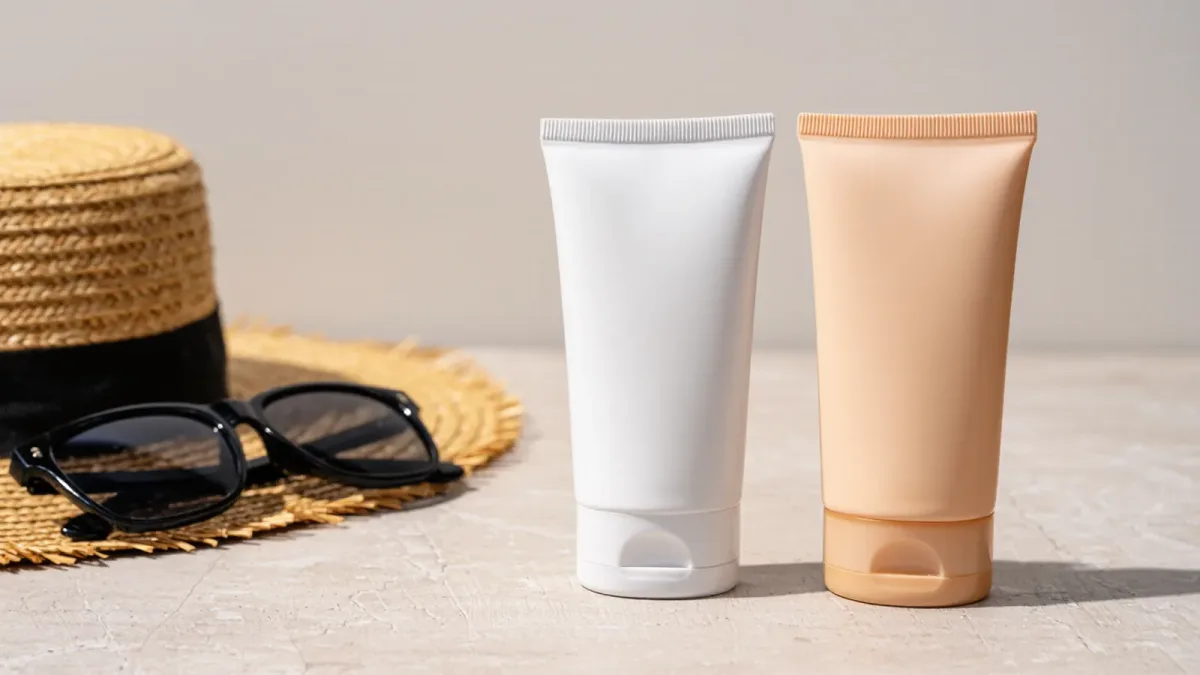
Both sunscreen types must pass the same FDA effectiveness testing, but their active ingredients, textures, and open safety questions differ in ways worth understanding.