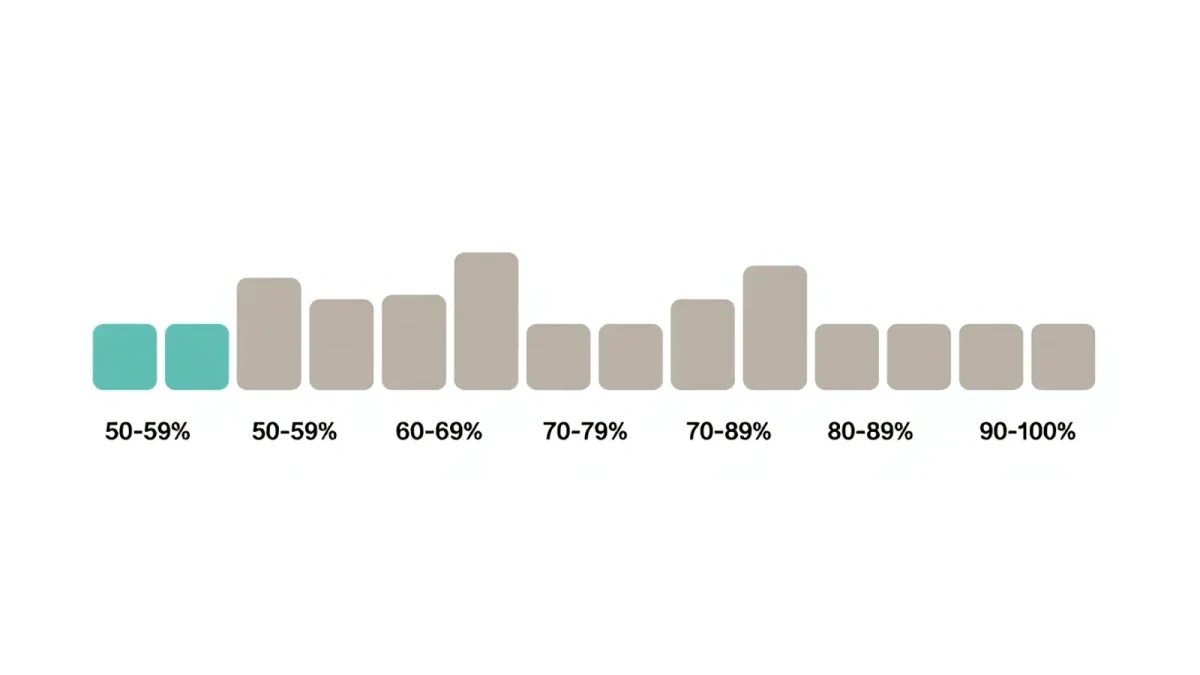
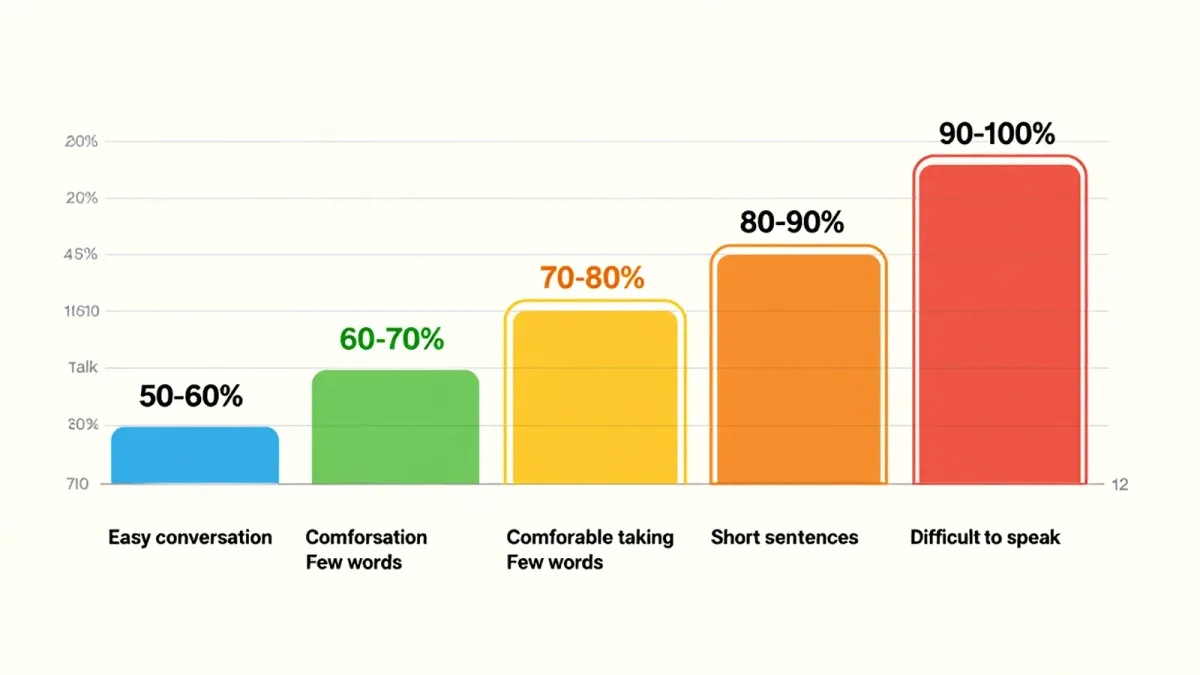
Zone 2 is the lowest of the three active training zones used in most five-zone models: sustained aerobic work at roughly 60 to 70 percent of maximum heart rate, hard enough to raise breathing but easy enough that full sentences remain comfortable, and it aligns with the moderate-intensity activity that the CDC recommends adults accumulate for at least 150 minutes per week. The recent popularity is new; the training method is not.
What exactly is zone 2?
Most endurance coaches use a five-zone heart rate model, and zone 2 sits at the bottom of the working range: well below threshold effort, but above a casual stroll. Definitions vary slightly between systems, which is one source of online confusion. Common markers include:
- Heart rate: approximately 60 to 70 percent of maximum heart rate, though some schemes place the top of the zone closer to 75 percent.
- The talk test: conversation is possible in complete sentences with only mild breathlessness, a criterion the CDC uses to define moderate-intensity activity.
- Perceived effort: roughly 4 to 6 on a 10-point scale — noticeable work, sustainable for an hour or more.
Exercise physiologists often describe the upper edge of zone 2 as the point where lactate begins to rise measurably above resting levels, sometimes called the aerobic threshold. Below that point, working muscles rely predominantly on fat oxidation and mitochondrial capacity; above it, carbohydrate contribution climbs quickly. For most recreationally active people, that physiological boundary sits near conversational effort, which is why the talk test remains a serviceable proxy outside the laboratory.
Why has zone 2 become so popular?
The current wave of attention traces largely to endurance sport culture: elite distance runners and cyclists have long devoted the majority of weekly training time to low-intensity work, and a widely discussed 2009 study of training distribution in competitive athletes described this polarized pattern, in which a large share of volume is easy and a small share is very hard, with comparatively little time in between. Public figures in business and media subsequently championed zone 2 for longevity and metabolic health, and wearable devices that estimate heart rate zones pushed the concept into mainstream fitness.
The enthusiasm sometimes outruns the evidence. Elite training distribution does not automatically transfer to sedentary populations, and no trial has shown zone 2 to be uniquely superior for general health compared with any other form of moderate-intensity activity. What the evidence does support is more modest: moderate-intensity aerobic activity improves cardiorespiratory fitness, blood pressure, and glycemic control, and most adults do not accumulate enough of it.
What does the research actually show?
Cardiorespiratory fitness remains one of the stronger predictors of long-term health in observational studies, and higher fitness is associated with lower all-cause mortality across large cohorts. The open question is the most efficient way to raise it, and trials here are genuinely mixed. Small randomized studies have found that block periods of higher-intensity interval work improve VO2max faster than equal-volume moderate training. Other research suggests low-intensity volume builds the aerobic base — mitochondrial density, capillary supply, fat oxidation capacity — that supports longer efforts and daily endurance.
A 2024 advisory statement from the American College of Sports Medicine on moderate-intensity activity noted that substantial health benefits accrue from meeting the 150-minute guideline, with additional benefits at higher volumes. The practical reading of the literature: zone 2 work is an evidence-supported way to accumulate that volume with low injury risk and low recovery cost, not a magic stimulus distinct from ordinary brisk cardio.
How is zone 2 intensity set?
Heart rate zones are usually anchored to maximum heart rate, most commonly estimated with the formula 220 minus age. That formula carries well-documented error — a 2001 analysis of 351 studies found it overestimates maximum heart rate in older adults — so field methods deserve consideration:
- The talk test: the simplest and surprisingly well-validated method; research published in 2018 found the talk test tracks the first ventilatory threshold closely across fitness levels.
- Perceived effort: a 4-to-6-of-10 rating generally lands in the target physiological range.
- Laboratory lactate testing: the reference standard for trained athletes, though rarely necessary for general health goals.
Devices add their own noise. Wrist optical heart rate monitors lag and drift during steady efforts, so chest straps provide more reliable data for zone training.
Which activities count as zone 2?
Any large-muscle, rhythmical activity that sustains the target effort qualifies: brisk walking on flat ground, easy jogging, cycling at a conversational cadence, rowing, swimming, inclined treadmill walking, or steady elliptical work. For less fit individuals, ordinary walking may itself sit in zone 2, while trained runners often find true zone 2 running slower than they expect — occasionally to the point of run-walking, which remains physiologically on target.
How much zone 2 work is enough?
The guideline floor of 150 minutes of moderate activity per week is the most defensible target, and research suggests benefits continue to accrue up to roughly 300 minutes. Endurance athletes frequently devote 70 to 80 percent of weekly training time to zone 2, but that distribution reflects their sport's demands rather than a health requirement. A general-health pattern many clinicians describe looks like this:
| Day | Activity | Duration |
|---|---|---|
| Mon | Brisk walk or easy cycle (zone 2) | 40 minutes |
| Tue | Strength training | 30-45 minutes |
| Wed | Zone 2 cardio | 30-40 minutes |
| Thu | Rest or easy walk | 20 minutes |
| Fri | Strength training | 30-45 minutes |
| Sat | Longer zone 2 session | 60 minutes |
| Sun | Rest | — |
That arrangement reaches the guideline minimum with room to adjust, and it keeps hard days from stacking against easy ones.
Common mistakes with zone 2 training
Three errors recur in practice. First, intensity drift: most recreational athletes run their easy days too hard, spending time above the aerobic threshold and accumulating fatigue that compromises harder sessions. Second, over-reliance on device-calculated zones, which can sit well off the true physiological boundaries. Third, treating zone 2 as a replacement for all other intensity; the strongest evidence-based programs include some higher-intensity work, particularly for people whose goal is improving VO2max.
When to see a doctor
Adults beginning exercise after long inactivity, those with diabetes who use medications that can cause hypoglycemia, and people with uncontrolled hypertension also benefit from medical input first. During training, an inability to speak even short phrases at supposedly easy effort suggests the intensity is higher than intended or that an underlying issue deserves assessment.