
Topic
What to Know About Adaptogens: Evidence Versus Marketing
Adaptogen labels promise calm and focus. A 2012 trial backs one herb for stress scores, while federal reviewers and safety notes tell a narrower story.
Adaptogen labels promise calm and focus. A 2012 trial backs one herb for stress scores, while federal reviewers and safety notes tell a narrower story.

Nearly 400 people turned out in Lisle for a talk on losing fat while keeping muscle, part of a three-part series blending medicine, nutrition and meditation.
What screening is, why the schedule changes over a lifetime, and how to find out which tests apply.
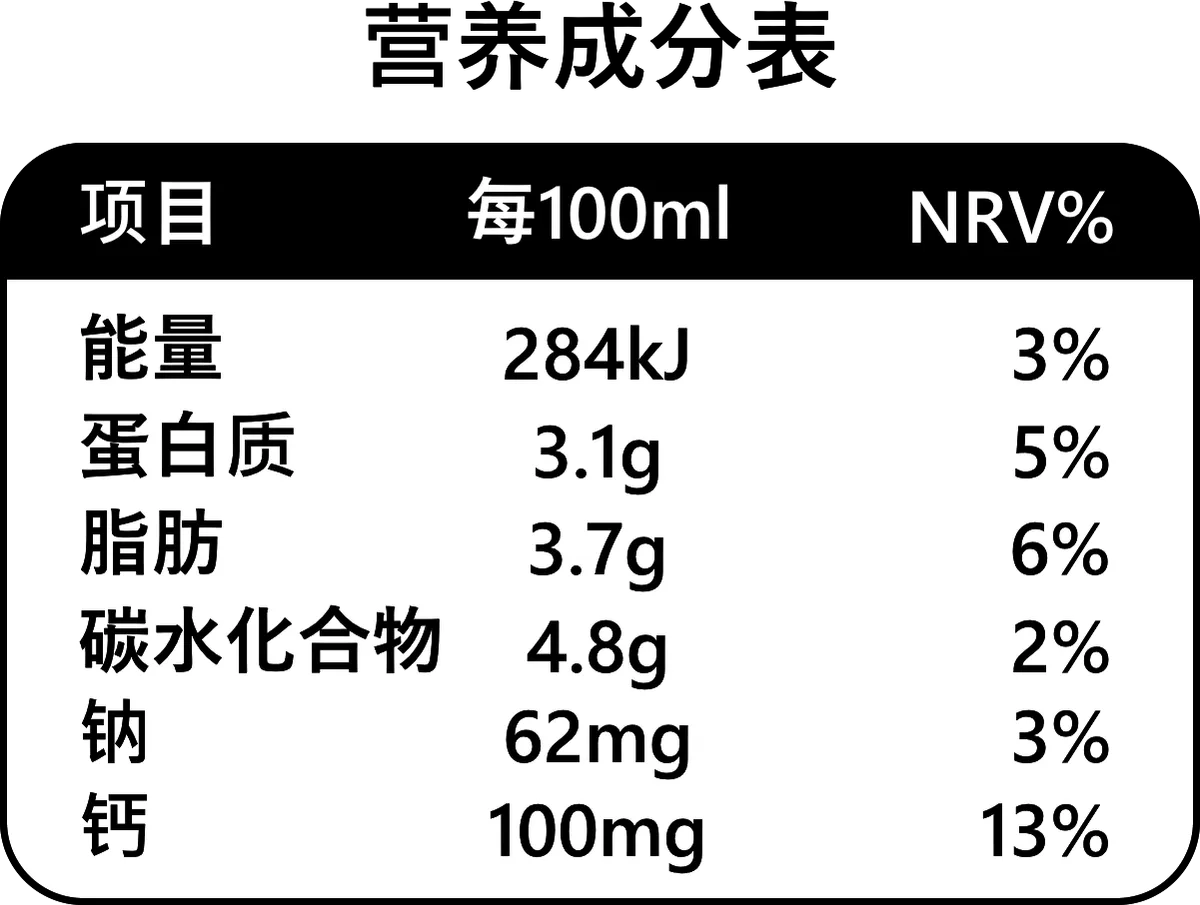
Nutrition labels follow one fixed design, and two lines bend everything else: serving size and percent daily value. Here is how to read both, plus the ingredient list.
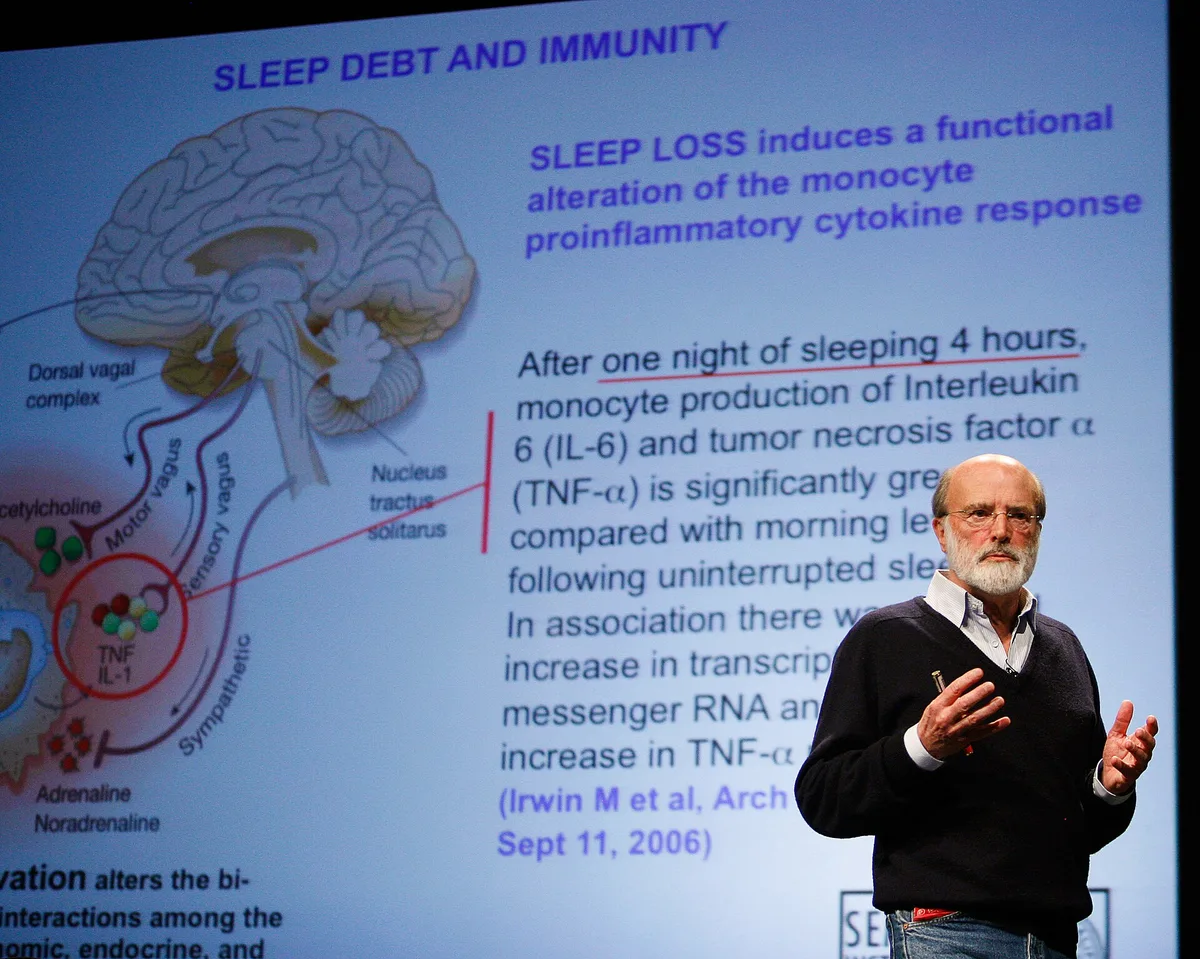
Missed sleep adds up over days and weeks. Here is what the evidence says about how it builds, what recovery can and cannot fix, and when to see a clinician.

A new expert review argues muscle should be a primary target of nutrition care, not an afterthought.
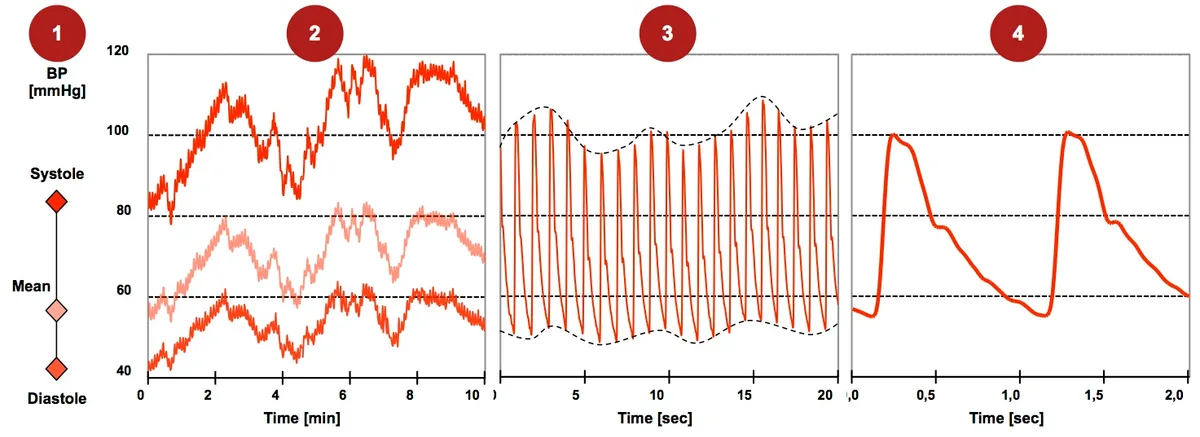
Blood pressure categories turn two numbers into context. Here are the standard thresholds, why readings shift by setting and time of day, and what the ranges track.

A new Global Nutrition Report argues that integration across food, health, and social protection systems — plus real accountability — is the way forward.

How false health claims spread, why they travel faster than corrections, and the habits that keep readers grounded.

Some skincare steps earn their place through decades of research. Others earn it through marketing. Here is how the steps compare, and where the honest uncertainty sits.